
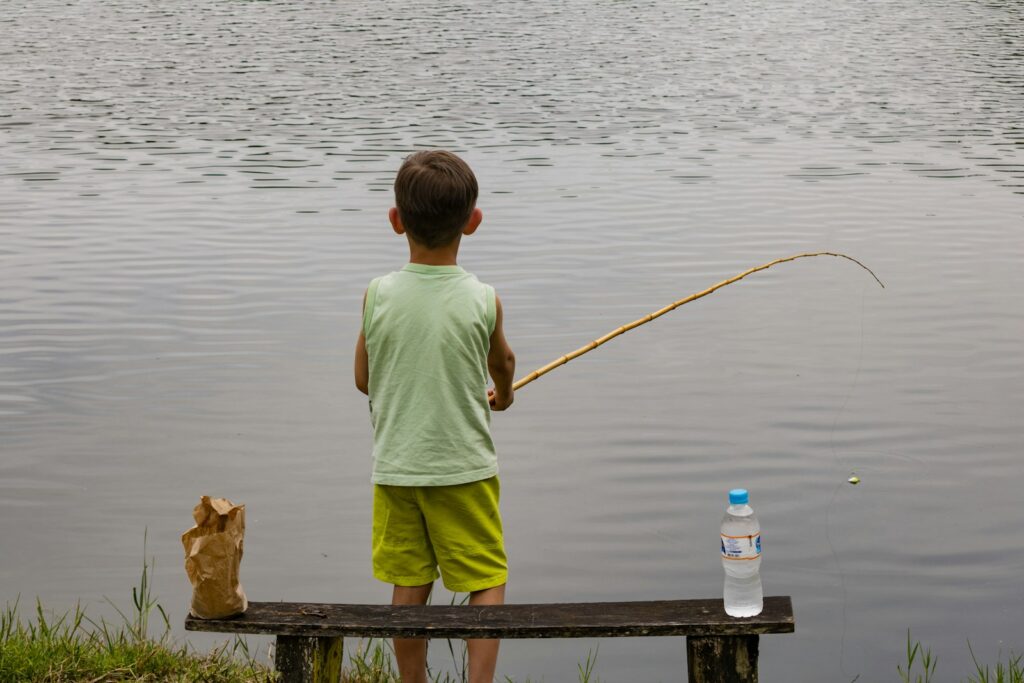
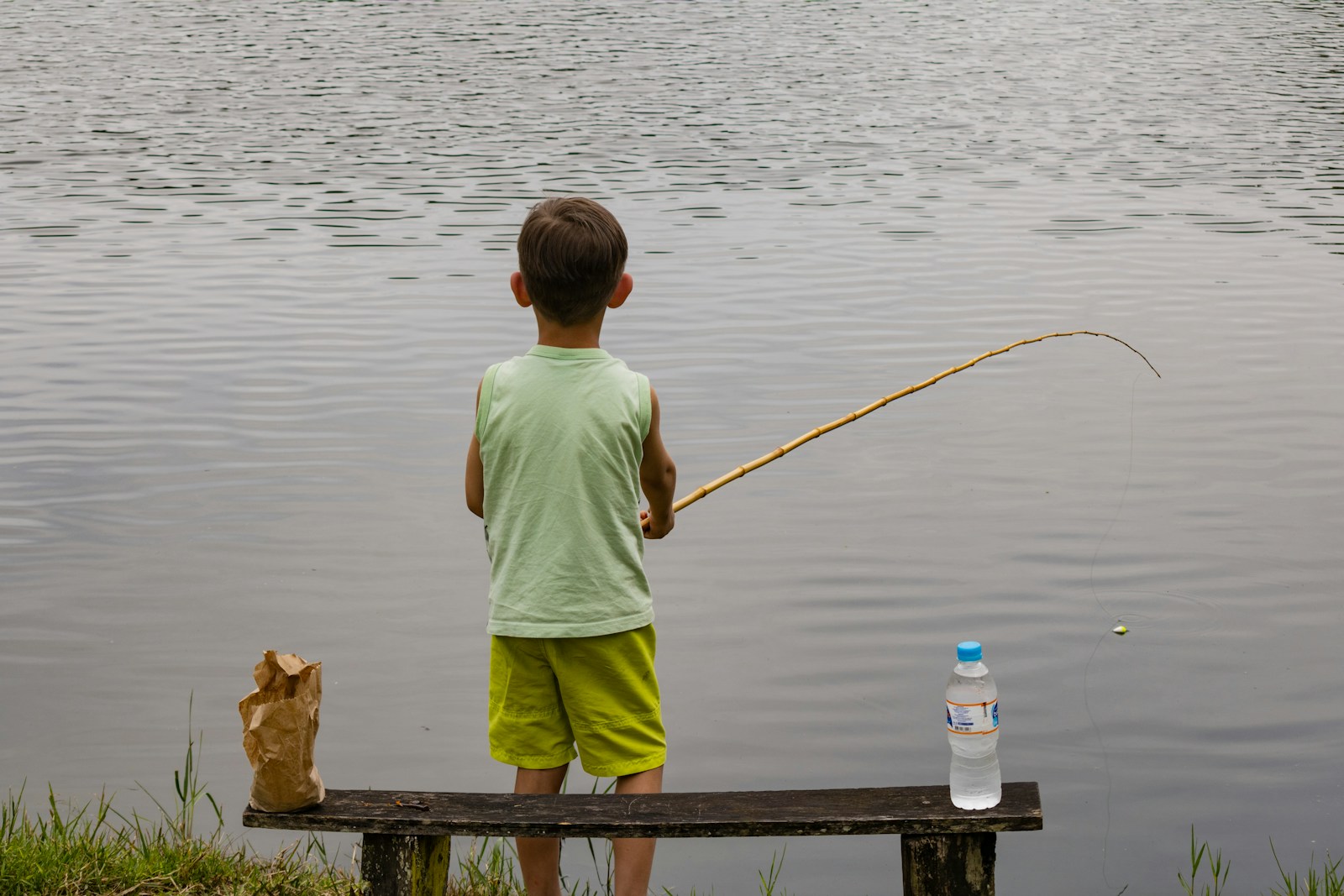
You can start fishing with kids by keeping gear simple, picking a safe, fish-rich spot, and planning short, playful sessions that focus on fun over technique. Use a basic spincast rod, light tackle, a few live baits or easy lures, and 15–30 minute activities to build confidence and quick wins.
Bring life jackets if you’re near water, pack snacks and sunscreen, and choose a calm location where fish bite easily to avoid frustration. Expect to teach casting in small steps, celebrate small catches, and turn downtime into nature lessons so the whole day feels like an adventure.
Preparing for Your First Fishing Trip
You’ll pick a family-friendly spot, pack simple, reliable gear, and confirm legal requirements before you leave. Focus on safety, short walks, and gear that makes hooking and releasing fish quick and easy.
Choosing the Right Location
Pick a spot known for easy-to-catch species like bluegill, sunfish, or stocked trout. Check local park websites or state fish-and-wildlife pages for “family-friendly” or “kid-friendly” sites and recent stocking reports. Choose locations with shallow shorelines, short and stable docks, or a calm pond to minimize slips and long casts.
Look for amenities: restrooms, picnic tables, shade, and a short parking-to-water distance. Avoid steep banks, heavy boat traffic, or fast currents when kids are under 12. Arrive mid-morning or late afternoon for better bites and milder temperatures.
Selecting Beginner-Friendly Gear
Start with one spinning rod-and-reel combo per adult and one per child; choose light or medium-light action and a 6–7 foot length. Pre-spooled reels with 6–10 lb monofilament line reduce tangles and make casting easier for small hands. Use simple rigs: a small hook (size 8–12), a split shot, and a bobber to teach bite detection.
Bring a small tackle box with extra hooks, split shots, bobbers, pliers, clippers, and a landing net. Pack bait like live worms or powerbait depending on target species; worms work for most freshwater panfish. Bring a foldable chair or cushion, sunscreen, insect repellent, and a first-aid kit. Keep lines short and teach one-cast-at-a-time rules.
Understanding Fishing Licenses and Regulations
Check state or provincial fish-and-wildlife websites for license requirements and age exemptions before you go. Many places waive licenses for children under a certain age (often 12–16), but rules vary by state and by type of water (public vs. private). Purchase short-term or day licenses online if you don’t fish often.
Learn the local bag, size, and seasonal limits for the species you target and whether bait or artificial lures are restricted. Carry a printed or digital copy of your license and any special regulations (e.g., catch-and-release areas). Follow handling rules for quick release to protect fish and avoid fines.
Making Fishing Fun and Educational for Kids
Focus on simple skills, clear safety rules, and playful activities that build confidence. Use short, concrete lessons and hands-on games so kids learn without getting bored.
Teaching Basic Fishing Techniques
Start with gear sized for kids: a 4–6 foot spincast rod, pre-rigged with a small bobber, a size 8–10 hook, and light line (4–6 lb). Show how to hold the rod, open and close the reel, and tie one reliable knot such as the improved clinch knot. Demonstrate one cast slowly, then let the child practice short, controlled casts toward a marked target.
Break instruction into tiny steps: rigging, casting, watching the bobber, and reeling steadily. Praise effort and correct one thing at a time (for example, stance or thumb placement). Use hands-on guidance—place their hands on the rod for the first few casts—then step back as they gain confidence.
Sharing Safety Tips with Children
Tell kids you expect them to wear a life jacket whenever near deep water; pick a properly sized PFD and have them try it on before you leave. Explain basic rules: no running on docks, keep a safe distance while someone is casting, and always point hooks away from people.
Teach simple first-aid basics: how to clean a small cut, what to do if a hook gets stuck (don’t pull; call an adult), and when to seek help. Reinforce wildlife and environmental safety: handle fish gently, wet hands before touching, and put trash or broken lines in a container.
Incorporating Games and Lessons
Turn practice into short games to keep attention: set up targets on the bank for accuracy, time short casting challenges, or use a points system for different catches. Offer small rewards like stickers or a choice of snack to celebrate effort, not just catches.
Include mini-lessons about nature: identify one local fish species, show common insects used as bait, or count birds and plants during quiet moments. Use simple charts or a checklist for each trip so kids track skills learned—casting, knot-tying, baiting—and feel progress after every outing.