

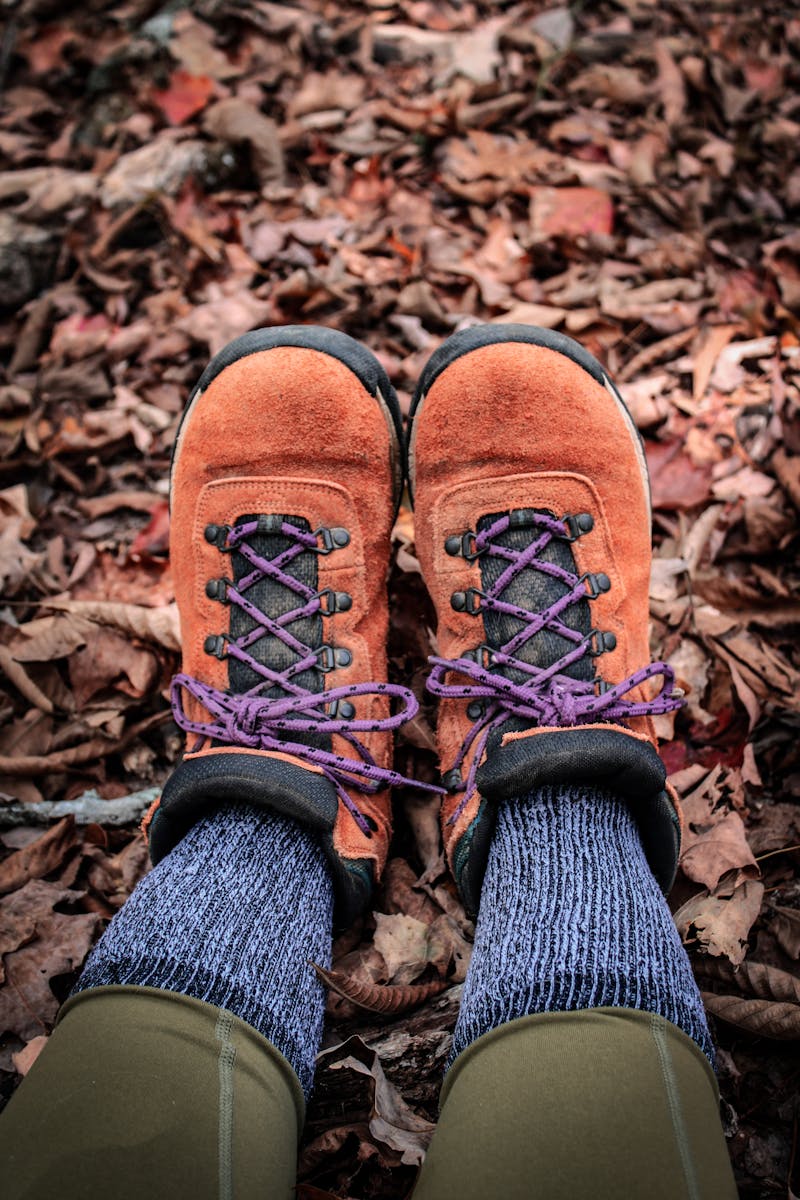
Hiking footwear covers a range of shoes designed for walking on unpaved trails, from lightweight trail runners to sturdy boots with ankle support. You choose between protection, weight, traction, and comfort depending on the terrain and trip length: hiking boots tend to offer more support and weather resistance, while trail shoes prioritize breathability and nimble movement. For most day hikes, the best choice balances fit, sole grip, and protection for the routes you plan to walk.
When deciding between hiking boots and trail shoes, pay close attention to fit, midsole stiffness, outsole lug pattern, waterproofing, and overall weight—these factors determine comfort, injury risk, and performance on different surfaces. Try pairs with the socks and insoles you’ll use, test toe room on mild inclines, and consider how often you’ll carry a heavy pack or encounter mud and scree. We tested a range of models to find which ones handle common trail conditions while keeping you comfortable and secure.
Hiking Boots vs Trail Shoes
Below is our full list of the best hiking boots and trail shoes to suit different terrain, support, and weather needs. Use this guide to match your preferred fit, ankle protection, and weight to the trips you plan to take.
NORTIV 8 Armadillo Hiking Boots

These boots are a solid buy if you want waterproof ankle support and comfortable cushioning for day hikes without spending a lot.
Pros
- Waterproof upper keeps feet dry on wet trails.
- Comfortable out of the box with good cushioning and room for insoles.
- Lightweight for a mid-top boot and offers decent ankle support.
Cons
- Sizing can run inconsistent; you may need to size up or try wides.
- Not as rugged or long-lasting as premium leather boots on rough terrain.
- Some pairs show minor quality-control issues (stitching or surface scuffs).
I wore these on a mixed trail with wet creek crossings and compact switchbacks and found the waterproofing reliable for several hours of slogging through damp brush. The ankle height gave confidence on uneven footing while the EVA/rubber sole felt springy on climbs.
You’ll appreciate how comfortable they are right away; they took a long day of walking without breaking in and accepted my aftermarket orthotic without fuss. Breathability wasn’t exceptional on hot days, but the fabric-synthetic mix balanced weight and protection well.
Expect a budget-minded build: seams and finishes won’t match high-end leather boots, so avoid overly abrasive rock gardens if you want them to last. If you need dependable, affordable waterproof hiking boots for day trips and light backpacking, these perform well for the price.
Columbia Newton Ridge II (Men’s)

These boots are worth buying if you want a waterproof, supportive hiking boot that handles wet trails and winter slop without costing a fortune.
Pros
- Solid waterproofing and seam-sealed construction keep feet dry on wet trails.
- Sturdy, grippy Omni‑Grip outsole gives confident traction on mixed terrain.
- Roomy wide fit and cushioned midsole make long days more comfortable.
Cons
- Break-in can trap heat—sock choice matters on warm hikes.
- Waterproof liners can lose effectiveness over years of heavy use.
- Heavier than trail shoes, so you’ll notice the weight on fast outings.
I wore these on muddy spring switchbacks and a packed-snow trail; the suede and leather shed water well and the sealed seams held up through puddles. The ankle support felt reassuring on rocky steps, and the metal hardware kept the laces secure the whole day.
On warm, dry hikes my feet warmed faster than with low-cut trail shoes, so I used thinner, moisture-wicking socks to avoid sweat. After several months of regular use the grip remained trustworthy, though long-term waterproofing may fade with heavy exposure.
If you need stable footing, weather protection, and a comfortable wide fit for moderate to rugged routes, these deliver dependable value.
OUTJET Trail Mid Waterproof Boots

You should consider these if you want lightweight, waterproof ankle boots that perform well on wet and mixed trails without costing a premium.
Pros
- Waterproof protection that keeps feet dry on rainy days and shallow stream crossings.
- Surprisingly light and comfortable for multi-mile hikes right out of the box.
- Good traction and cushioning for steady walking on mixed terrain.
Cons
- Ankle collar runs a bit loose for those who prefer a snug, supportive fit.
- Not as durable or feature-rich as high-end mountaineering boots.
- Limited breathability in hot conditions compared with low-cut trail shoes.
I wore these on damp singletrack and muddy park trails and found the waterproof membrane reliably kept moisture out while leaving the boot feeling lighter than expected. The sole gripped packed dirt and wet roots well, and the cushioning reduced foot fatigue on longer loops.
Lacing held the foot securely across the forefoot, though the ankle collar felt roomy on steeper descents and required a tighter wrap to prevent rubbing. You’ll like how quickly they break in, but if you need firm ankle lockdown for technical terrain, a stiffer hiking boot will serve better.
These handled day hikes in cool, wet weather far better than a typical casual boot and cost a fraction of premium brands, making them a smart choice if you want dependable waterproof performance without overspending.
Merrell Moab 3 Mid Waterproof
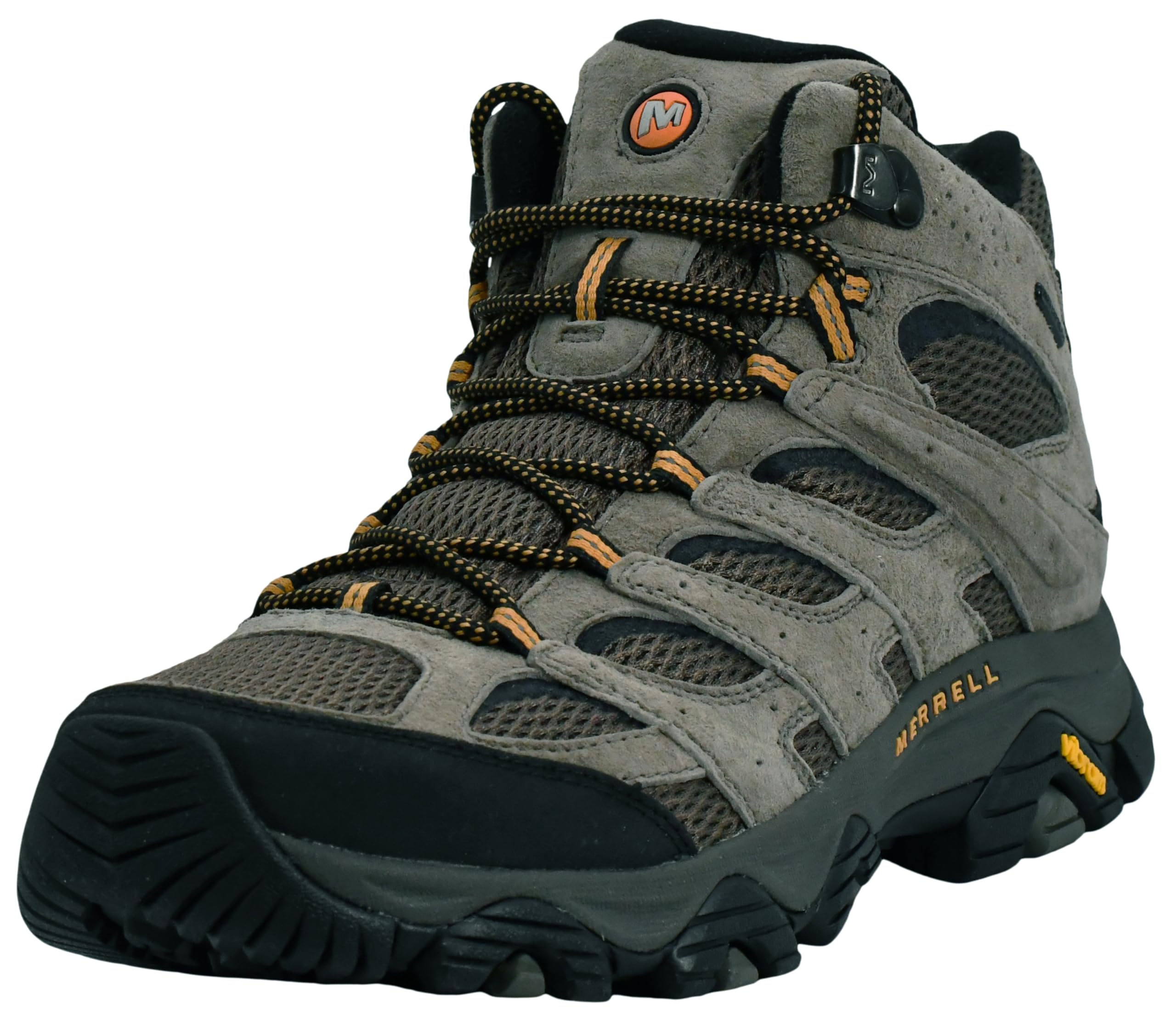
You should buy these if you want a comfortable, versatile hiking boot that breaks in fast and handles varied trails reliably.
Pros
- Immediate out-of-the-box comfort and roomy toe box.
- Supportive ankle and cushioned midsole for long miles.
- Durable construction with a grippy Vibram outsole.
Cons
- Waterproofing is hit-or-miss in heavier wet conditions.
- Fit can run snug for some — you may need a half size up.
- Heavier than trail shoes for faster, distance-oriented hiking.
I laced these up for mixed-day hikes and noticed comfort instantly; the insole felt supportive and the softer midsole smoothed rocky sections. The ankle support kept your foot stable on uneven ground without feeling overly stiff.
On wet roots and muddy switchbacks the Vibram outsole bit into the trail and confidence stayed high, though you might find deep puddles eventually seep through if you’re standing in water. After several outings the leather-and-mesh upper held up to scrapes and still looked presentable.
If you favor slower, loaded hikes or need ankle protection, these serve you well. Choose a half size larger if your foot trends wide or you wear thicker socks; otherwise they run true to their comfort-first reputation.
Buying Guide
Consider the terrain and typical trip length first. For long treks with heavy packs choose support and protection; for day hikes and fast moves prioritize weight and flexibility.
Focus on fit above all else. Try shoes on with the socks you intend to wear, test toe room by simulating downhill stance, and walk on varied surfaces to check comfort and heel hold.
Look at these key features to compare options:
| Feature | What to check |
|---|---|
| Support & cuff height | Higher cuffs give ankle stability; low-cut boosts mobility. |
| Cushioning & midsole | Firmer midsoles handle loads; softer midsoles increase comfort on short hikes. |
| Outsole & tread | Lug depth and compound determine grip on mud, rock, and wet surfaces. |
| Weight | Lighter shoes reduce fatigue; heavier boots improve durability and protection. |
| Waterproofing & breathability | Membranes block moisture but reduce airflow; balance based on climate. |
| Durability & materials | Leather resists abrasion; synthetics dry faster and weigh less. |
| Closure system | Laces offer fine tuning; quick-lace systems speed on/off. |
Prioritize features by your use case. Choose protection and stiffness if you carry heavy loads or expect rough terrain. Opt for light, responsive shoes if you move fast and cover technical singletrack.
Test break-in time and repairability before buying. Inspect stitching, sole bonding, and available replacement parts or resoling options to extend service life.