
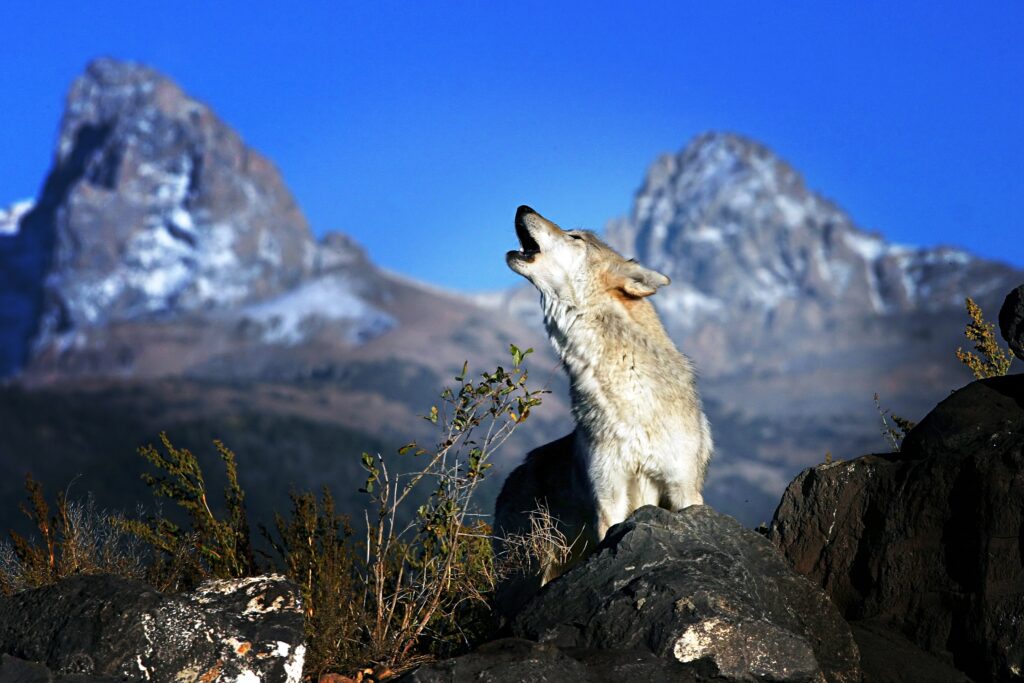
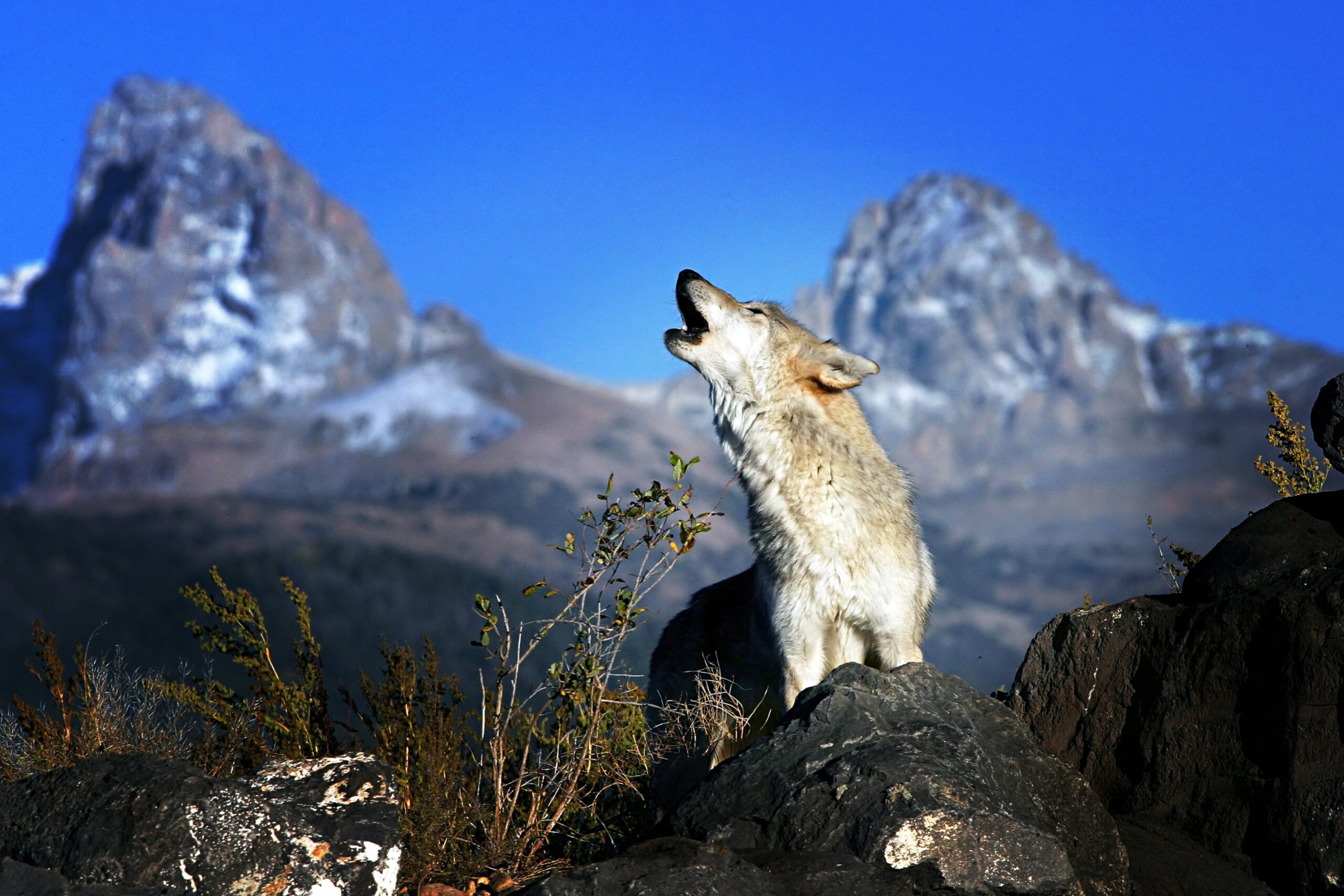
 Across the American West, the return of wolves has become one of the most controversial wildlife issues in modern conservation. Once nearly eliminated from the lower 48 states, gray wolves have rebounded in several regions after decades of federal protection and reintroduction programs. Their recovery is widely viewed as one of the major successes of the Endangered Species Act. At the same time, the growing population of wolves has created new challenges for ranchers, hunters, and wildlife managers trying to balance predator recovery with livestock protection and game management.
As wolf populations continue expanding in states such as Idaho, Montana, Wyoming, and more recently Colorado, the debate has intensified over whether states should adopt more aggressive management strategies.
The Recovery of Wolves in the United States
Gray wolves once ranged across most of North America, but aggressive predator control campaigns in the late 19th and early 20th centuries nearly eliminated them from the continental United States. By the 1970s, wolves survived primarily in northern Minnesota and parts of Canada.
The turning point came with the passage of the Endangered Species Act in 1973. Federal protections allowed wolf populations to slowly recover, and in 1995 wildlife managers reintroduced wolves into Yellowstone National Park and central Idaho. According to the U.S. Fish and Wildlife Service, those reintroduction efforts helped establish thriving wolf populations across the Northern Rocky Mountains.
Today, the U.S. Fish and Wildlife Service estimates that more than 2,800 wolves live in the Northern Rockies, with additional populations in the Great Lakes region and expanding numbers in the Pacific Northwest.
Conflicts with Livestock and Rural Communities
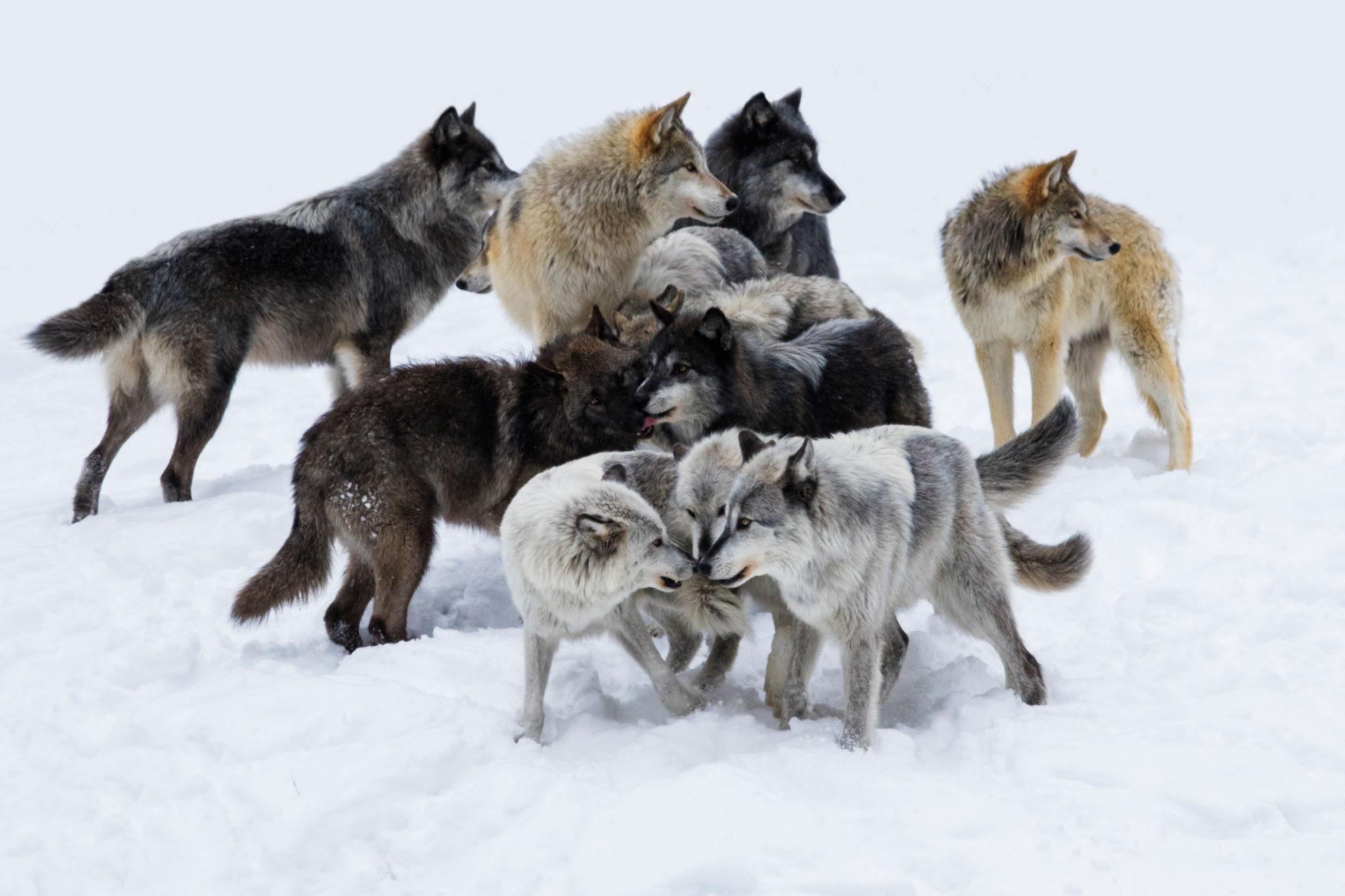
While wolves are an important part of many ecosystems, their presence has also created conflicts in rural areas. Ranchers in states with large wolf populations frequently report livestock losses attributed to wolves.
According to annual depredation reports compiled by the U.S. Department of Agriculture’s Wildlife Services program, wolves kill hundreds of cattle and sheep across the western United States each year. Though the overall percentage of livestock losses caused by wolves is relatively small compared to disease or weather, individual ranchers can experience significant financial impacts when attacks occur.
The Wyoming Game and Fish Department reports that wolves have killed dozens of cattle and sheep annually in some years, particularly in areas near wolf territories. These losses have fueled calls for stronger state management policies.
Impact on Big Game Populations
Another concern often raised by hunters involves the potential effect wolves may have on big game populations. Wolves primarily prey on animals such as elk, deer, and moose, which are also important game species.
Research conducted by Yellowstone National Park biologists has documented changes in elk behavior and population dynamics following wolf reintroduction. According to studies published by the National Park Service, elk numbers in Yellowstone declined from approximately 19,000 animals in the mid-1990s to fewer than 6,000 in later years, though scientists emphasize that several factors—including drought, habitat changes, and other predators—also influenced the decline.
In some regions outside national parks, state wildlife agencies have reported similar concerns. The Idaho Department of Fish and Game has noted that wolves can influence elk herd numbers and distribution, particularly in areas where multiple predator species overlap.
Arguments for More Aggressive Management
Supporters of stronger wolf management argue that states should have the flexibility to control wolf populations once recovery goals are met. Wildlife officials in several western states maintain that regulated hunting and trapping are effective tools for balancing predator populations with livestock protection and big game management.
According to the Rocky Mountain Elk Foundation, state wildlife agencies are often best positioned to manage wolf populations because they understand local ecosystems and wildlife dynamics. Proponents also argue that regulated hunting can help maintain wolves at sustainable levels while reducing conflicts with livestock.
Several states already allow wolf hunting seasons. Idaho and Montana established regulated hunts after wolves were removed from federal endangered species protection in those states. Wildlife officials in those states say hunting has helped stabilize wolf populations while still maintaining viable numbers.
Concerns from Conservation Groups
Conservation organizations argue that aggressive wolf management could reverse decades of recovery progress. Groups such as Defenders of Wildlife emphasize that wolves play an important ecological role by influencing prey behavior and helping maintain balanced ecosystems.
Ecologists often point to Yellowstone as an example of these ecological effects. Studies conducted by the National Park Service have shown that wolf predation altered elk grazing patterns, which allowed vegetation such as willow and aspen to recover in some areas.
Conservation groups also argue that wolf populations remain fragile in some parts of the country and that long-term stability requires careful oversight rather than aggressive reductions.
The Role of State Wildlife Agencies
In recent years, the federal government has increasingly shifted responsibility for wolf management to state wildlife agencies when populations reach recovery targets. This approach reflects a broader philosophy that states should manage wildlife within their borders once species are no longer endangered.
However, the legal status of wolves has changed multiple times due to federal rule changes and court decisions. The U.S. Fish and Wildlife Service has alternated between listing and delisting wolves in different regions, creating ongoing uncertainty for wildlife managers.
In Colorado, voters approved a ballot initiative in 2020 requiring the state to reintroduce wolves to the Western Slope. Colorado Parks and Wildlife began releasing wolves in 2023, marking the first such reintroduction effort in the state.
Finding a Balance
The question of how aggressively states should manage wolves ultimately comes down to balancing competing priorities. Wolves are both a conservation success story and a source of real conflict for rural communities.
Wildlife experts widely agree that successful predator management requires a combination of science-based population monitoring, targeted control efforts where necessary, and cooperation between state agencies, ranchers, hunters, and conservation groups.
As wolf populations continue expanding across the West, the debate over how best to manage them will likely remain one of the most complex wildlife issues facing American conservation.
For now, the challenge facing policymakers and wildlife managers is finding a balance that protects both healthy ecosystems and the livelihoods of the people who share the landscape with one of North America’s most iconic predators.