
Hunter Thinks Neighbor Is Baiting Deer Too Close to Fence Line—Then Things Got Tense

For one Texas hunter, frustration reportedly started with a trail camera photo that felt a little too convenient.
According to the hunter, deer movement on his property had remained predictable for years. Mature bucks regularly crossed through a section of the ranch near a shared fence line, and while neighboring hunting pressure occasionally shifted movement, the property consistently produced decent activity during deer season.
Then things started changing.
According to the hunter, several mature bucks that normally traveled deeper through his property suddenly began lingering near the fence. Trail camera photos reportedly showed deer gathering in unusual numbers near one corner of the ranch, while movement farther inside the property slowed dramatically.
That was when suspicion started.
A Feeder Near the Fence Raised Questions
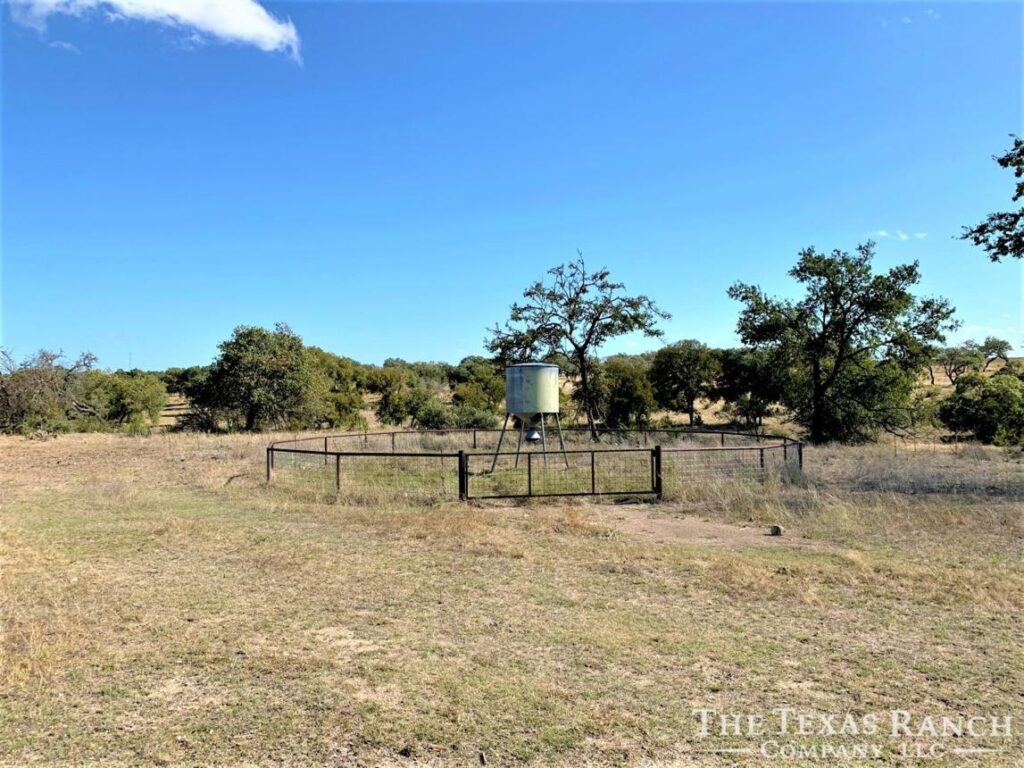
According to the hunter, he eventually noticed what appeared to be a new feeder sitting unusually close to the neighboring fence line.
At first, he tried ignoring it.
Baiting deer where legal is common throughout much of Texas, and neighboring landowners often manage deer differently. Still, according to the hunter, the location felt unusually strategic, particularly because deer that once moved naturally across both properties suddenly seemed concentrated much closer to one side.
The situation reportedly became more frustrating after several conversations at the local feed store and around town led him to believe others had noticed the same thing.
Before long, what began as quiet suspicion reportedly turned into tension.
The Conversation Did Not Go Well at First
According to the hunter, he eventually decided to speak directly with the neighboring landowner rather than let frustration grow.
The first conversation reportedly felt uncomfortable.
The hunter expressed concerns that bait placed too close to the fence line seemed to be pulling deer unnaturally toward one property, especially mature bucks that historically crossed between both ranches. The neighbor reportedly pushed back, arguing he had every right to manage deer on his own land however he wanted.
For a while, the disagreement reportedly stayed tense.
Neither side felt particularly satisfied, and hunting season only added pressure as emotions stayed high.
Like many rural disputes, what looked minor on paper quickly became personal.
Then Something Unexpected Happened
According to the hunter, things eventually shifted after both sides spent more time talking.
Rather than continue arguing, the neighboring landowner reportedly admitted he had moved the feeder closer to the boundary after noticing declining deer activity elsewhere on his property. However, after hearing concerns and seeing how concentrated deer movement had become near the fence, he reportedly agreed the placement may have created unnecessary friction.
According to the hunter, both sides eventually settled on a simple solution.
The feeder reportedly moved farther back onto the neighboring property, away from the shared fence line, while both landowners agreed to communicate more openly about future management changes.
The deer, according to the hunter, gradually returned to more natural movement patterns over time.
Fence Line Frustrations Are Common in Texas
Disagreements involving deer feeders, hunting pressure, and property boundaries happen more often than many hunters admit.
According to the Texas Parks and Wildlife Department, deer naturally move across multiple properties, particularly in areas where ranches sit side by side. Because wildlife rarely respects property lines, management decisions on one ranch often affect neighboring landowners whether people intend them to or not.
That reality explains why communication matters.
In many cases, hunting conflicts grow less from bad intentions and more from assumptions that nobody discusses until frustration builds.
The Bottom Line
For one Texas hunter, suspicion over deer baiting near a shared fence line reportedly created tension after mature bucks suddenly shifted movement patterns toward a neighboring property.
What initially looked like the beginning of a lasting feud ultimately resolved through an honest conversation and a compromise both sides could live with.
The experience reportedly served as a reminder many Texas hunters already understand:
Good neighbors often matter just as much as good hunting land.