
Hunters Are Going Back to Older Rifles—Here’s Why

For years, the hunting industry pushed one message relentlessly: newer meant better.
Every season seemed to bring another rifle promising lighter weight, longer range, tighter groups, carbon fiber barrels, upgraded coatings, and enough tactical features to make hunters wonder whether grandpa’s old deer rifle had finally become obsolete.
But something interesting has quietly started happening.
More hunters are dusting off older rifles and bringing them back into the field.
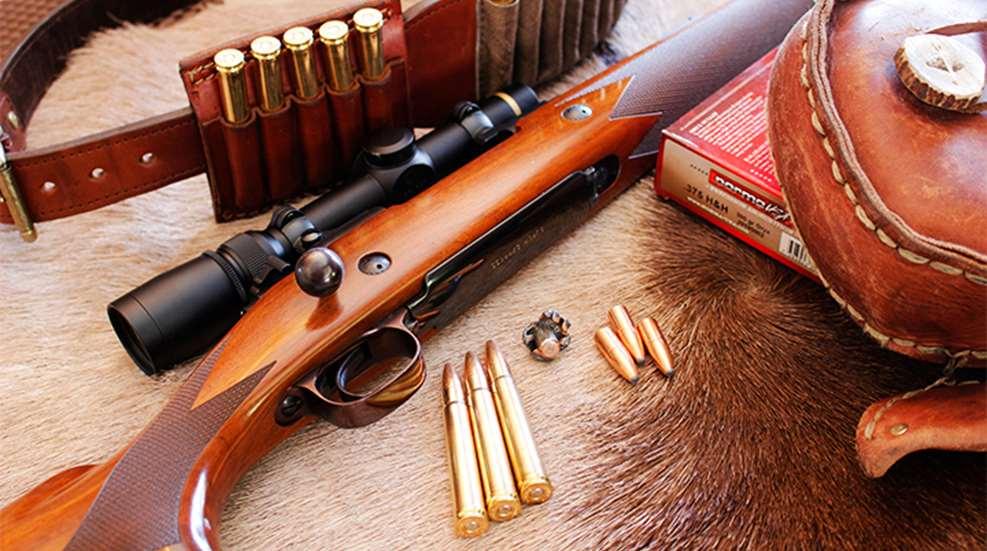
The rifle tucked away in the back of the safe suddenly comes back out. Wood stocks are replacing synthetic chassis. Blued steel is showing up at deer camp again. And many hunters who once chased the newest technology are rediscovering something they forgot:
Older rifles still work incredibly well.
In some cases, they work better than expected.
Reliability Still Matters More Than Marketing
One of the biggest reasons hunters continue returning to older rifles comes down to something simple:
Trust.
Many classic hunting rifles earned reputations through decades of hard use in rain, snow, dust, mountains, and deer camps. Rifles like the Winchester Model 70, Remington Model 700, and Ruger M77 developed loyal followings because hunters learned they simply worked when conditions got tough.
According to the National Shooting Sports Foundation, many hunters continue prioritizing reliability over flashy features, particularly when hunting opportunities may come down to a single shot after days of preparation.
That reliability matters emotionally as much as practically.
Many hunters know exactly how an older rifle behaves. They know its recoil, trigger feel, point of impact, and limitations. Confidence like that becomes difficult to replace with something brand new.
When the buck of a lifetime steps out, familiarity matters.
Accuracy Has Improved—But Not as Much as People Think
Modern rifles have undeniably become more accurate.
Manufacturing tolerances improved dramatically over the last two decades, and many factory rifles today shoot exceptionally well right out of the box.
But here is the uncomfortable truth many longtime hunters quietly admit:
Most older rifles were already accurate enough.
A well-maintained hunting rifle from the 1960s, 1970s, or 1980s often shoots far better than many hunters remember. According to experienced gunsmiths and ballistics experts, plenty of older bolt-action rifles regularly produce hunting-grade accuracy more than capable of ethically harvesting deer, elk, hogs, and antelope at practical distances.
For most hunters, a rifle consistently grouping inside an inch-and-a-half at 100 yards is more than sufficient.
Animals rarely notice whether a rifle shoots half-inch groups on paper.
Shot placement matters far more.
Wood and Steel Still Feel Different
Part of the renewed appreciation for older rifles comes down to feel.
Many classic rifles simply feel different in the hands.
Wood stocks carry weight differently. Blued steel develops character over time. Small scratches tell stories rather than feel like flaws. For many hunters, older rifles feel more connected to tradition than modern tactical-style platforms.
That emotional connection matters more than many people admit.
The rifle grandpa carried. The gun dad hunted with every November. The rifle that accounted for generations of deer camps and stories.
Those memories follow hunters into the field.
According to surveys discussed by the National Shooting Sports Foundation, nostalgia and family tradition remain major influences in firearm ownership and hunting decisions.
Many hunters are not just carrying rifles.
They are carrying history.
Hunters Are Also Tired of Chasing Trends
The hunting world moves fast.
One year it is ultralight rifles. The next year it is long-range precision hunting setups. Then come muzzle brakes, carbon barrels, oversized optics, bipods, ballistic apps, and rifles costing several thousand dollars before ever buying ammunition.
Some hunters have quietly grown tired of the cycle.
Instead of endlessly chasing the latest trend, many are rediscovering practical simplicity.
A dependable rifle.
A trusted scope.
A cartridge they know well.
And enough confidence to make the shot count.
That shift becomes especially noticeable among experienced hunters who spent years experimenting before realizing they often performed best with something simpler.
Sometimes the rifle they shot best was sitting in the safe all along.
Older Cartridges Still Work Exceptionally Well
Part of this return to older rifles also connects to classic hunting cartridges.
Hunters increasingly realize that cartridges such as the .270 Winchester, .30-06 Springfield, and .308 Winchester continue performing extremely well despite decades of newer competition.
According to ammunition manufacturers and hunting experts, these classic cartridges remain some of the most versatile and widely available hunting rounds in North America.
The reality is simple:
A deer hit correctly with an older cartridge does not care whether the rifle was built in 1975 or 2025.
Experience Changes What Hunters Value
As hunters gain experience, priorities often shift.
Younger hunters may obsess over velocity charts, rifle weight, or long-range capability. Older hunters frequently begin valuing confidence, familiarity, and reliability instead.
That evolution changes buying decisions.
The newest rifle suddenly feels less important than the rifle you trust.
The trend may never completely replace modern hunting gear, but it explains why more classic rifles are quietly returning to deer camps every season.
The Bottom Line
Modern rifles are excellent.
There is no denying the improvements in manufacturing, optics, and precision.
But many hunters are quietly rediscovering something easy to forget:
Older rifles never stopped working.
They still shoot accurately. They still hold zero. They still put venison in the freezer.
And sometimes, the rifle hunters trust most is not the newest one in the gun store.
It is the older one that already proved itself decades ago.