
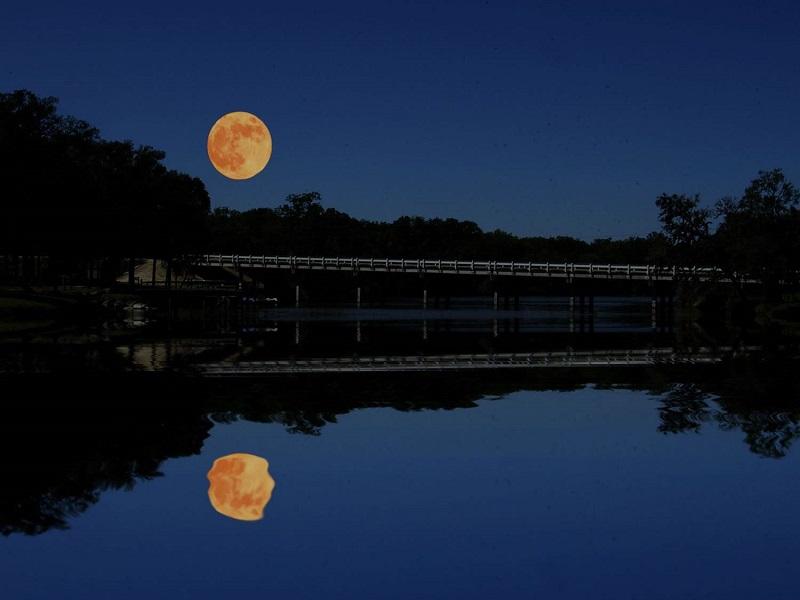
Serious Fishermen Refuse to Fish After a Full Moon Here’s Why.

For many anglers, the idea that moon phases affect fishing sounds like something passed down at bait shops and boat ramps for generations. Yet ask enough serious fishermen about the days immediately following a full moon, and many will tell you the same thing: fishing often gets tougher.
While some anglers plan trips around moon phases, others avoid certain days altogether. One of the most debated periods is the stretch immediately after a bright full moon, particularly during warmer months when fish behavior often changes dramatically. Although not every fisherman agrees on the science, many experienced anglers believe fish simply become less aggressive after feeding heavily overnight.
Why the Full Moon Gets So Much Attention
The belief that moon phases influence fishing is not new. For decades, anglers have tracked lunar cycles the same way hunters often watch barometric pressure or seasonal movement patterns.
According to the Bassmaster, many tournament anglers believe the full moon can significantly influence fish behavior because brighter nighttime conditions may extend feeding activity. During a full moon, fish often have increased visibility underwater, which can allow predator species such as largemouth bass to feed more actively throughout the night.
This theory becomes especially important for fishermen who prefer early morning trips. If bass spend hours feeding under bright moonlight, some anglers believe those same fish simply are not as aggressive when the sun rises.
The fish are still present.
They simply may not be actively hunting food.
Summer Fishing Can Become Even More Challenging
The full moon discussion tends to become much stronger during summer.
When water temperatures rise, many fish naturally become more active during low-light periods. According to the Texas Parks and Wildlife Department, largemouth bass often shift feeding behavior toward cooler parts of the day during hot weather, particularly around dawn, dusk, and overnight periods when temperatures are lower and baitfish remain active.
A bright full moon can amplify that pattern.
Many experienced fishermen believe bass often feed heavily through the night during summer full moons, chasing shad and baitfish beneath the surface while water temperatures remain more comfortable. By sunrise, those fish may move tighter to cover, suspend in deeper water, or simply become far less willing to chase moving lures.
That often leads to frustrating mornings for anglers expecting explosive topwater bites only to find the lake strangely quiet.
Not Every Angler Believes the Moon Matters
Despite how common the theory remains, many serious fishermen argue moon phases receive far too much credit.
According to discussions among professional anglers featured by the Major League Fishing, factors such as weather fronts, wind direction, water clarity, fishing pressure, and seasonal movement often influence fishing far more than lunar cycles.
Many tournament anglers acknowledge the moon as a factor but caution against treating it like a rule.
For example, a strong cold front or sudden pressure change may dramatically affect bass activity regardless of whether a full moon occurred the night before. Likewise, cloudy weather, wind, or incoming storms can quickly reposition fish and trigger feeding behavior even during supposedly “bad” moon phases.
In other words, the moon may matter—but it is rarely the only thing that matters.
Serious Fishermen Often Adjust Instead of Staying Home
Interestingly, many experienced anglers who believe in the full moon effect do not necessarily stop fishing after a full moon.
They simply change their strategy.
Rather than relying on aggressive moving baits, many anglers slow presentations considerably. Finesse worms, jigs, shaky heads, and slower bottom-contact baits often become more effective when fish appear less aggressive.
Timing also matters.
Some anglers focus heavily on first light and final light windows instead of midday fishing. Others shift entirely toward night fishing, believing the best bite may already be happening while most people are asleep.
The best fishermen rarely blame conditions alone.
Instead, they adjust to them.
Confidence May Matter More Than the Moon
Part of the moon debate may come down to psychology.
Fishing confidence affects everything. An angler who believes conditions are poor may fish less patiently, change baits too quickly, or mentally check out after a slow morning. Meanwhile, a confident fisherman often stays focused, adapts, and continues searching for productive water.
Many experienced anglers quietly believe this matters more than people admit.
After all, fish are still caught after full moons every year—including trophy fish.
Success often comes down to adjustment rather than excuses.
The Bottom Line
The belief that fishing becomes tougher after a full moon remains one of the most debated ideas in the fishing world. Some anglers firmly believe fish feed heavily overnight and become harder to catch during daylight hours, especially in summer. Others argue weather patterns and seasonal behavior play a much larger role than lunar phases.
The truth likely falls somewhere in the middle.
If you have ever experienced a frustrating morning on the water after a bright full moon, there may be a reason. However, most serious fishermen will tell you the same thing:
The worst fishing day still beats staying home.
And sometimes, the biggest bass show up exactly when conditions say they should not.