
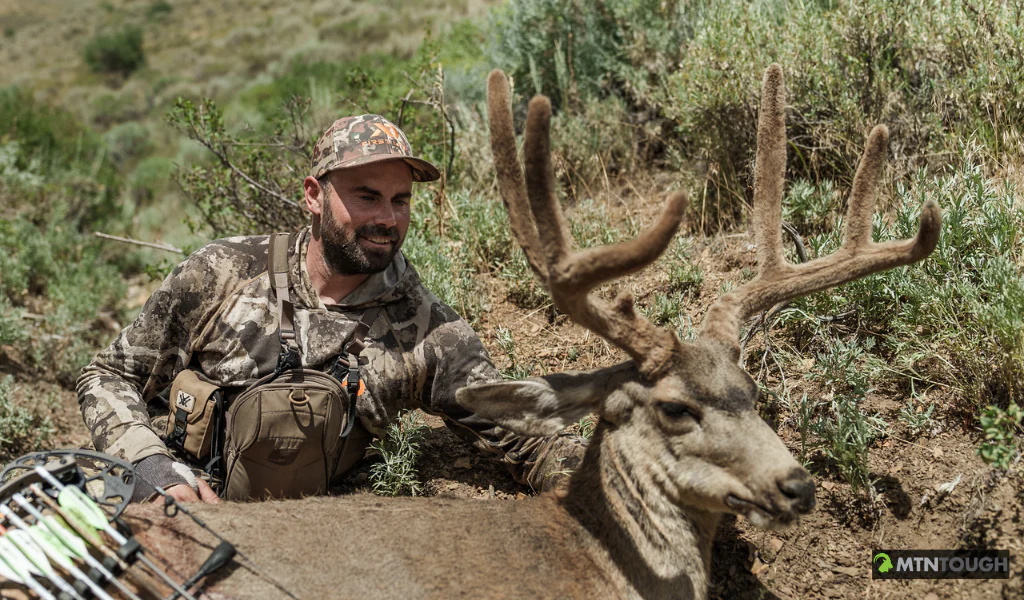
If You Are Going to Get Lost It Pays to Have One of the Best Outdoorsman in the World Has a Future Husband – Looking Back at Remi Warren Rescuing is Wife Who Was Lost.

For most people, getting lost in the backcountry is a nightmare scenario. Remote terrain, fading daylight, and unpredictable conditions can turn a simple hike into a life-threatening situation in a matter of hours.
But for Remi Warren, the outdoors isn’t just a place he visits—it’s where he thrives. And when his wife became lost during a hike, those skills were put to the ultimate test.
A Situation That Turned Serious Fast
What began as a routine outing quickly escalated when Warren’s wife became separated in rugged terrain. In the backcountry, it doesn’t take much—one wrong turn, a missed trail marker, or a moment of disorientation can create distance that grows with every step.
Unlike getting lost in a city, there are no clear landmarks, no cell service, and often no immediate help.
As time passed and communication broke down, the situation shifted from inconvenience to urgency.
For Warren, there was no hesitation.
Experience Makes the Difference
Years of hunting, guiding, and navigating remote landscapes gave Warren a major advantage in a situation where most people would feel overwhelmed.
Backcountry travel isn’t just about knowing where you are—it’s about understanding how people move when they’re lost.
Warren was able to:
- Read terrain and predict likely travel routes
- Identify natural funnels like ridgelines, water sources, and game trails
- Think from the perspective of someone disoriented and trying to find their way
Instead of searching randomly, he approached it with strategy.
That’s what separates panic from problem-solving.
Staying Calm Under Pressure
One of the biggest threats in any survival situation isn’t the environment—it’s panic.
When people realize they’re lost, they often make things worse by moving too quickly, changing direction repeatedly, or pushing deeper into unfamiliar terrain.
Warren understood this.
Rather than rushing blindly, he stayed methodical. He focused on narrowing down possibilities, working through the terrain, and maintaining control over the situation.
Time matters—but so does clarity.
The Search
As the search unfolded, Warren relied on instinct and experience. He moved through the landscape with purpose, scanning for signs—disturbed ground, broken vegetation, anything that could indicate movement.
In remote areas, even the smallest clue can point you in the right direction.
Eventually, those instincts paid off.
He was able to locate his wife before the situation escalated further—bringing an end to what could have easily become a far more dangerous ordeal.
A Reminder About the Outdoors
Stories like this highlight something that often gets overlooked: the outdoors doesn’t have to be extreme to become dangerous.
You don’t need a blizzard, a bear encounter, or a dramatic accident. Sometimes all it takes is getting turned around.
Even experienced hikers can lose their bearings, especially in unfamiliar terrain.
That’s why preparation matters.
Lessons From the Incident
While Warren’s experience and skill played a major role in the outcome, there are clear takeaways for anyone spending time outdoors:
- Always let someone know your plan and expected return time
- Carry basic navigation tools (map, compass, or GPS)
- Don’t rely solely on cell phones
- Stay put if you realize you’re lost—moving can make it harder to be found
Most importantly, respect the environment. The same places that offer freedom and escape can become unforgiving very quickly.
The Human Side of the Story
Beyond the skills and survival aspect, this story hits on something deeper.
When someone you care about is out there—alone, lost, and potentially in danger—everything changes. The stakes aren’t theoretical anymore.
For Warren, this wasn’t just another backcountry challenge.
It was personal.
And that urgency, combined with experience, is what ultimately led to a successful outcome.
The Bottom Line
Remi Warren’s rescue of his wife is more than just a story about outdoor skill—it’s a reminder of how quickly things can go wrong, and how important preparation and experience really are.
The wilderness doesn’t offer second chances easily.
But in this case, knowledge, composure, and determination made all the difference.
Because when things go sideways in the backcountry, the people who stay calm—and know what they’re doing—are the ones who make it back.