
Few topics in the outdoor world spark stronger reactions than trophy hunting. For some, it represents tradition, wildlife management, and economic support for conservation. For others, it symbolizes excess, ethics debates, and the commercialization of wild animals.
To understand the issue, it helps to separate emotion from definition — and look at what trophy hunting actually is, why it generates controversy, and how it fits into modern conservation models.
What Is Trophy Hunting?
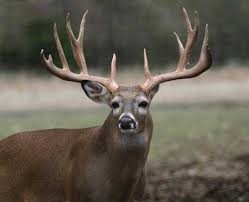
Trophy hunting generally refers to the selective hunting of wild animals for specific characteristics — often mature males with large antlers, horns, tusks, or other distinctive features. The “trophy” can be antlers, horns, a mounted hide, or simply the experience and documentation of harvesting a particular animal.
Importantly, in regulated systems, trophy hunting is typically governed by:
-
Strict licensing and permits
-
Limited quotas
-
Age and sex restrictions
-
Designated seasons
In many cases, wildlife agencies or local governments allocate only a small number of tags for mature animals. Hunters may pay significant fees for the opportunity, particularly in international settings.
The term “trophy” can be misleading to those unfamiliar with hunting culture. In most regulated hunts, the animal is not wasted. Meat is often consumed locally, donated, or distributed within the community.
Why Is Trophy Hunting Controversial?
The controversy surrounding trophy hunting largely centers on ethics and optics.
1. The Emotional Reaction
Images of hunters posing beside large animals — especially charismatic species like lions, elephants, or bears — often trigger public backlash. For people disconnected from hunting traditions, the idea of killing an animal for a “trophy” can appear cruel or unnecessary.
The visual impact of social media has intensified this reaction. A single photograph can spark global outrage within hours.
2. Perceived Motivation
Critics argue that hunting motivated by obtaining a mount or record-book animal prioritizes status over sustenance. The concept of paying substantial sums to hunt endangered or iconic species raises additional moral questions.
3. Species Protection Concerns
Some opponents fear that targeting the largest animals could negatively impact genetic diversity or destabilize animal populations. In certain regions where corruption or weak enforcement exists, poorly managed hunts have fueled legitimate conservation concerns.
The Conservation Argument
Despite controversy, many wildlife biologists and conservation organizations acknowledge that regulated trophy hunting can play a role in conservation — when properly managed.
1. Revenue for Wildlife Protection
In several African countries, hunting permits generate significant funding for conservation efforts. These fees can support:
-
Anti-poaching patrols
-
Habitat preservation
-
Wildlife monitoring programs
-
Community development initiatives
In remote areas where photographic tourism is not economically viable, hunting concessions may provide one of the only financial incentives to preserve large tracts of habitat.
2. Incentive-Based Conservation
In parts of the world, rural communities live alongside dangerous wildlife. Without economic benefit from those animals, local residents may see them as threats to crops, livestock, or safety.
When communities receive revenue from regulated hunting programs, wildlife can shift from liability to asset — creating an incentive to protect populations rather than eliminate them.
3. Population Management
In North America, selective harvest of older males is part of standard wildlife management practice. Agencies use data to set quotas designed to maintain healthy herd structures.
In species such as elk, deer, and certain African antelope, removing older, post-breeding males may have minimal impact on reproduction when properly regulated.
The Key Variable: Regulation
The effectiveness and ethics of trophy hunting depend heavily on oversight.
Well-regulated systems with scientific quotas, transparent funding structures, and community reinvestment can contribute to conservation goals.
Poorly regulated or corrupt systems can undermine them.
The debate often hinges less on the concept itself and more on implementation.
A Divided Public Conversation
Public opinion on trophy hunting tends to divide along cultural, geographic, and philosophical lines.
Rural communities with hunting traditions may view it as a legitimate conservation tool and heritage practice. Urban audiences, often further removed from wildlife management realities, may see it primarily through an ethical lens.
Both perspectives stem from different relationships with wildlife.
A Complex Issue
Trophy hunting is not easily categorized as entirely good or entirely harmful. It exists at the intersection of ecology, economics, ethics, and culture.
It raises real moral questions. It also funds real conservation programs.
The conversation surrounding trophy hunting is unlikely to settle anytime soon. But understanding its structure, its regulation, and its economic role is essential before reducing it to a single photograph or headline.
In the end, the debate reflects broader questions about how humans interact with wildlife — and how best to preserve wild spaces in a world where conservation requires both funding and local support.