
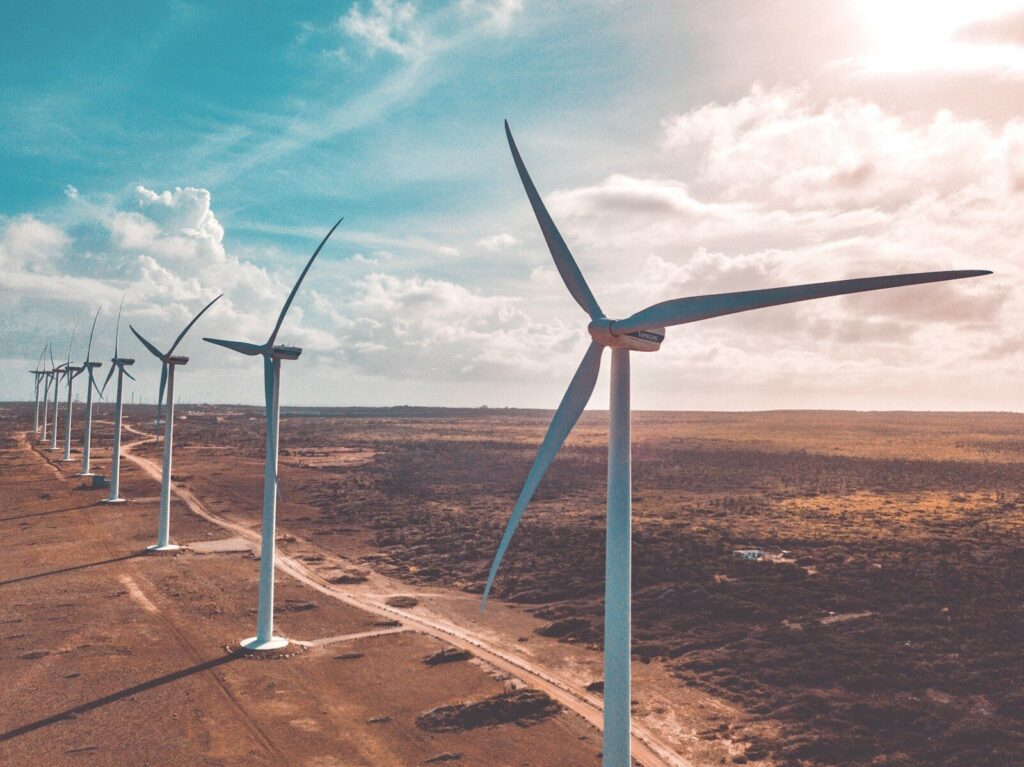
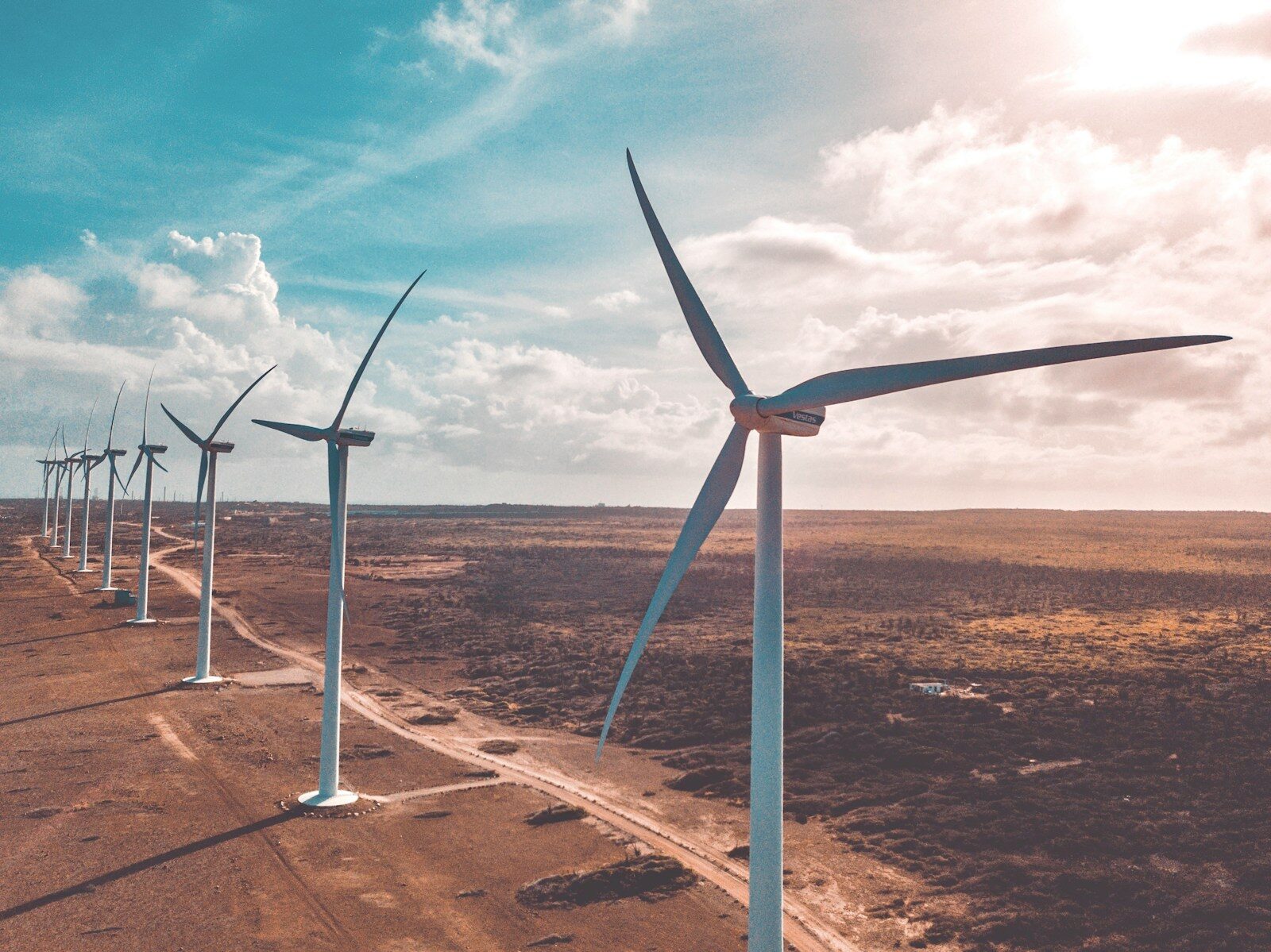
SWEETWATER, Texas — The wide-open skies of West Texas are known for cattle, cotton, and wind farms stretching across the horizon. But now, those same plains are at the center of a legal battle after Texas Attorney General Ken Paxton filed suit against Global Fiberglass Solutions and affiliated entities for allegedly dumping and abandoning thousands of wind turbine blades near Sweetwater.
According to the lawsuit, filed on behalf of the Texas Commission on Environmental Quality (TCEQ), the company created unpermitted industrial disposal sites that now contain massive stockpiles of turbine blades and engine housings — known as nacelles — without proper authorization.
For many Texans, the issue isn’t about renewable energy versus fossil fuels.
It’s about land stewardship.
The Allegations
The state claims Global Fiberglass Solutions was contracted to break down and recycle decommissioned wind turbine components. Instead of properly processing the materials, investigators say more than 3,000 blades and nacelles were stockpiled across two Sweetwater-area properties.
As of March 2025, officials estimate the sites contain roughly 487,000 cubic yards of industrial solid waste.
Under Texas law, recycling facilities must process at least 75% of accumulated material annually to avoid classification as a disposal site. The lawsuit alleges the company never met that requirement since beginning operations in 2017.
In addition, the state says the defendants violated a 2022 Agreed Order in which they pledged to stop accepting waste and obtain proper permits. Investigators claim new shipments continued, and the sites were eventually abandoned.
None of the named entities — including Global Fiberglass Solutions of Texas, LLC; Global Fiberglass Solutions, Inc.; GFSI-MHE Manufacturing of Texas, LLC; Vo Dynasty, LLC; and Donald Lilly — are alleged to have obtained authorization from TCEQ to process or store industrial solid waste at those locations.
Why This Matters to Texans
Out in Nolan County, the view is everything.
Land is legacy. It’s ranching ground. It’s hunting leases. It’s groundwater. It’s family property passed down for generations.
Abandoned turbine blades — some longer than a semi-truck trailer — don’t exactly blend into the landscape. Photos from the area show enormous fiberglass shells stacked in open fields near community landmarks, including the Sweetwater Cemetery.
For those who live and work in rural Texas, improper waste disposal isn’t a political talking point. It’s a direct impact on property values, soil health, and community identity.
Whether energy comes from oil wells or wind turbines, Texans expect accountability when infrastructure reaches the end of its life cycle.
The Broader Energy Question
Wind energy has become a major part of Texas’ power grid, and decommissioning older turbines is an inevitable part of the industry’s evolution.
But the case raises a bigger question: what happens when “green” infrastructure ages out?
Recycling turbine blades has proven technically difficult. The fiberglass composite materials used in blade construction are durable but hard to break down and reuse at scale. Without proper planning and oversight, retired components can become a disposal problem.
Texas regulators argue that proper permitting and compliance mechanisms exist to prevent exactly this kind of outcome.
What the State Is Seeking
The Attorney General’s office is requesting civil penalties ranging from $50 to $25,000 per day for each violation. Given that the alleged misconduct dates back to 2017, potential fines could exceed $1 million.
Beyond financial penalties, the state is also seeking a permanent injunction requiring removal of all unauthorized waste within 180 days and disposal at a licensed facility.
The case is currently pending in the 201st Judicial District Court of Travis County.
Stewardship Over Politics
At Untamed Pursuit, we believe the conversation shouldn’t be framed as pro-wind or anti-wind.
It should be about responsibility.
Texas prides itself on independence, industry, and wide-open land. But with development — of any kind — comes obligation. Infrastructure, whether powered by diesel or wind, doesn’t get a free pass at the end of its lifecycle.
Landowners, hunters, ranchers, and rural communities deserve protection from illegal dumping — no matter the source.
The plains of West Texas have weathered droughts, oil booms, and cattle drives.
Now, the courts will decide whether thousands of discarded turbine blades will remain part of that landscape — or be removed in the name of compliance and stewardship.
One thing is certain: Texans are watching.