
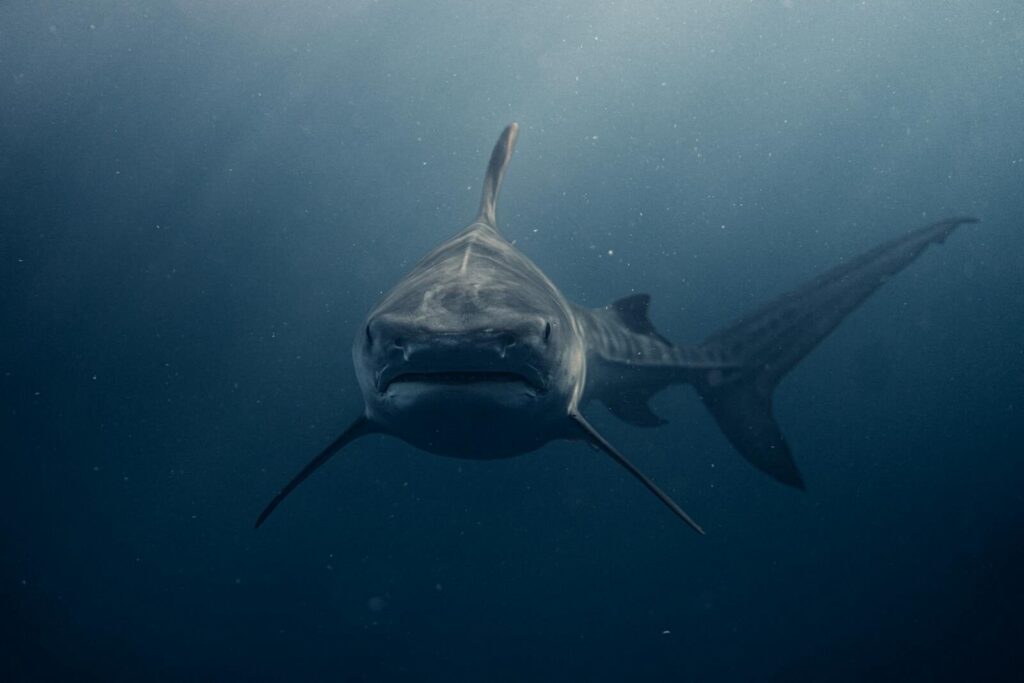
Kayaker Hooks a Shark—Then Gets Pulled Across the Water in Wild Fight
What started as a routine day on the water quickly turned into a fight most anglers only dream about—and one kayaker won’t forget anytime soon.
Out on open water, targeting fish from a small kayak, the angler dropped a line expecting the usual: maybe a decent redfish, a jack, or even a smaller shark. What he got instead was something far bigger—and far stronger—than anticipated.
Within seconds of the strike, the rod doubled over.
Then the kayak started moving.
The Strike That Changed Everything
Kayak fishing has grown in popularity over the years because it offers a more direct, hands-on experience with the water. But it also puts anglers closer to the action—and closer to whatever they hook.
According to angler reports and safety guidance from the National Oceanic and Atmospheric Administration, large predatory fish like sharks are capable of explosive bursts of speed and power, especially when first hooked.
That’s exactly what happened.
The moment the hook set, the fish took off. Line peeled from the reel at a pace most anglers only see in offshore big-game fishing. But instead of standing on a boat deck, the angler was seated just inches above the water.
And now, he was being pulled.
The “Sleigh Ride” Begins
Among kayak anglers, there’s a term for what happens when a powerful fish takes off with your line—it’s called a “sleigh ride.”
But this wasn’t a short ride.
The shark dragged the kayak across open water, cutting through small swells and changing direction unpredictably. Each run forced the angler to adjust his position, manage the rod angle, and keep tension without overloading the line.
According to techniques outlined by the International Game Fish Association, maintaining steady pressure and avoiding sudden movements is critical when fighting large fish—especially from small, unstable platforms like kayaks.
One wrong move could flip the kayak—or snap the line.
Power vs. Balance
Fighting a fish from a kayak is completely different than fighting one from a boat.
There’s no solid deck. No rail to lean against. No room to move.
Everything depends on balance.
The angler had to:
- Keep his center of gravity low
- Let the kayak move with the fish
- Avoid overcorrecting during sudden runs
According to safety recommendations from the American Canoe Association, staying stable and allowing the kayak to follow the fish is often safer than trying to resist its movement.
In this case, that movement was fast—and relentless.
Identifying the Fish
After several long runs and a few brief pauses, the angler finally got a look at what he had hooked.
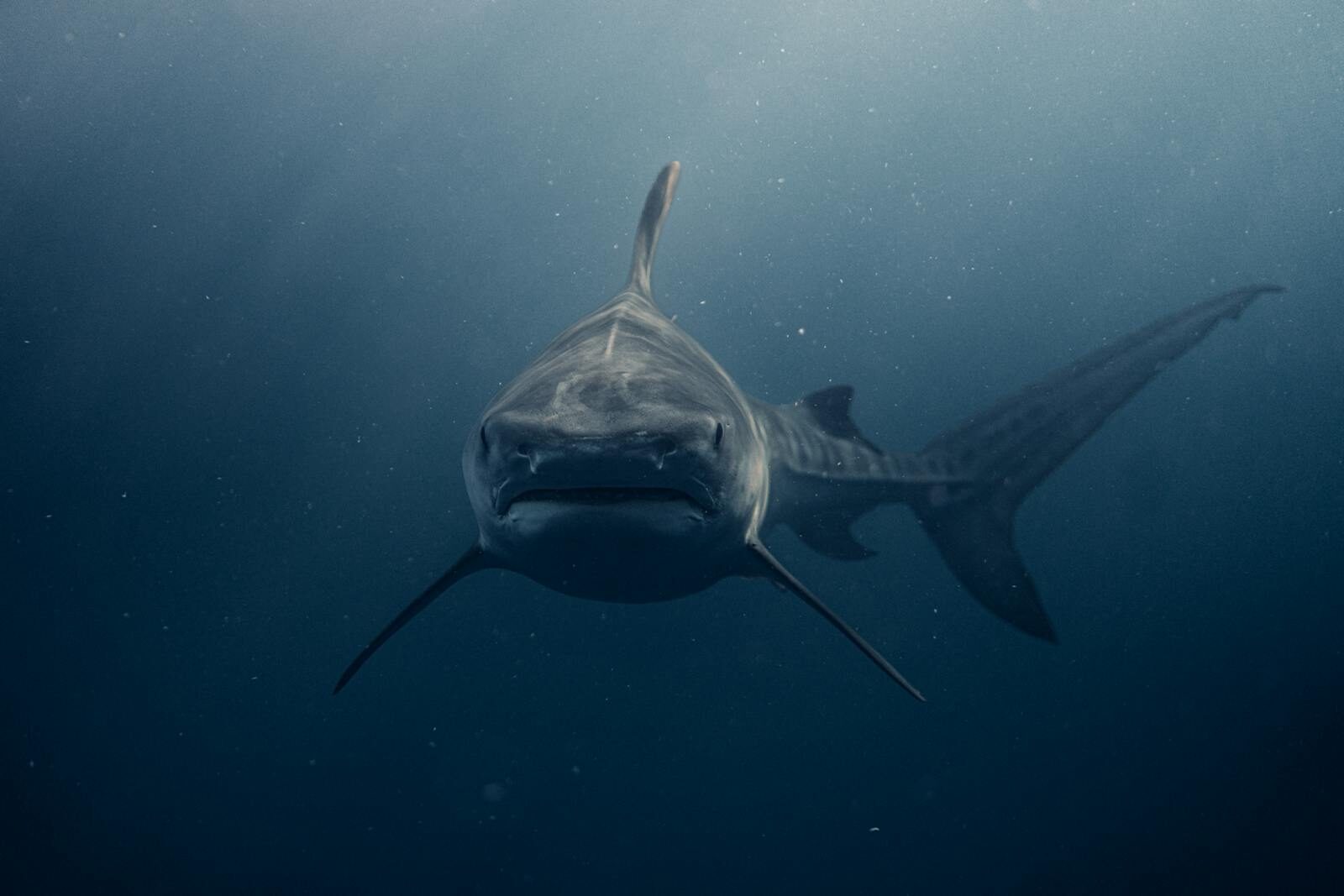
A shark.
Estimates suggested it was well over six feet long—possibly larger—based on the visible dorsal fin and body movement near the surface.
Sharks are not uncommon catches for offshore kayak anglers, especially in coastal waters. According to the National Oceanic and Atmospheric Administration, species like blacktip and bull sharks are frequently encountered by anglers fishing nearshore and offshore environments.
But hooking one from a kayak—and staying in control—is another story entirely.
The Long Fight
The battle stretched on.
Minutes turned into longer stretches as the shark made repeated runs, each one testing both the angler’s gear and endurance. The rod stayed bent. The reel continued to work.
Every time the fish slowed, the angler gained a little line back.
Then the shark would run again.
This cycle continued as the kayaker drifted farther from his starting point, carried by the fish and the current.
A Decision to Make
Eventually, the angler faced a choice.
Landing a shark of that size from a kayak isn’t just difficult—it can be dangerous. Bringing a large predator alongside a small vessel introduces real risk.
According to angler safety discussions supported by the International Game Fish Association, many kayak anglers choose to release large sharks without attempting to fully land them.
That’s exactly what happened here.
After a prolonged fight, the angler worked to safely bring the shark close enough to remove tension and allow the hook to come free.
The fish disappeared back into the water.
More Than Just a Catch
For the angler, the experience wasn’t about landing the shark.
It was about the moment.
The strike. The run. The raw power of something far beyond what most people experience from a kayak.
It’s the kind of encounter that reminds you just how small you are out there.
The Growing Appeal of Kayak Fishing
Kayak fishing continues to grow because of experiences like this.
It’s:
- More immersive
- More challenging
- More unpredictable
According to participation trends from the Recreational Boating & Fishing Foundation, kayak fishing has become one of the fastest-growing segments in recreational fishing, offering anglers a closer connection to the water and the fish they pursue.
The Bottom Line
Hooking a shark from a kayak isn’t something most anglers plan for—but it’s always a possibility.
This encounter is a reminder of:
- The power of large fish
- The importance of preparation
- The unpredictability of the outdoors
And sometimes, the best part of the story isn’t what you bring home.
It’s what you survived—and what you experienced along the way.