
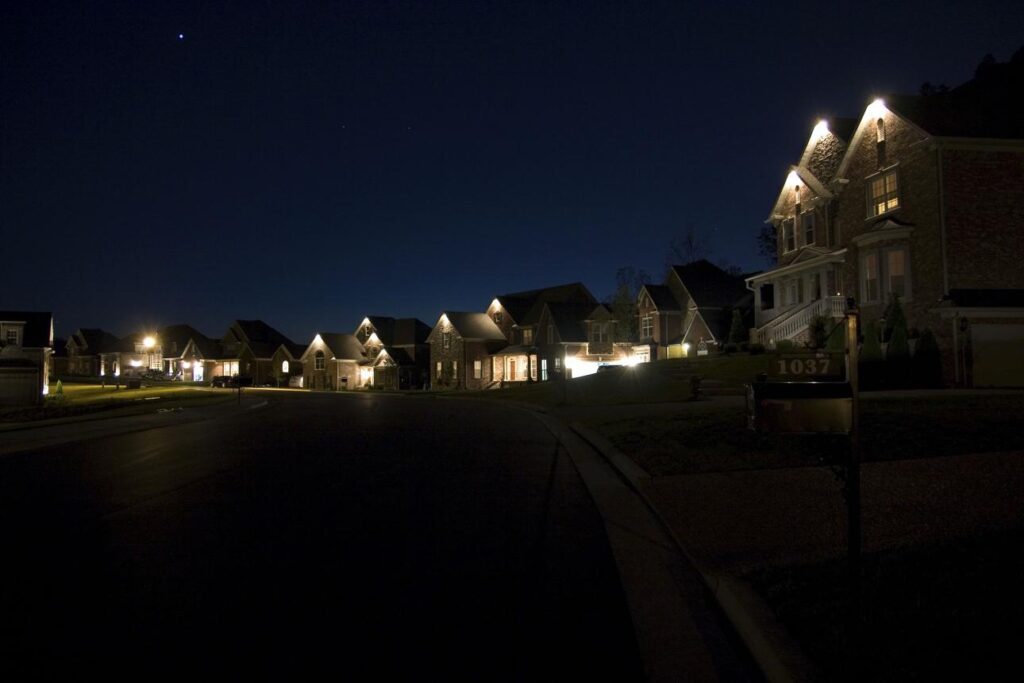
Neighborhood Dispute Erupts After Kids Told They Can’t Play Outside After Dark

A neighborhood disagreement has turned into a growing controversy after residents were told their children could no longer play outside after dark—sparking frustration among families and raising questions about how much control a neighborhood or individual can have over everyday life.
At the center of the situation is local resident Chris King, who says the restriction goes too far and unfairly targets families simply trying to let their kids be kids.
A Rule That Didn’t Sit Well
According to residents in the neighborhood, concerns began when complaints were raised about children playing outside in the evenings. The issues reportedly included noise, visibility, and general safety concerns once it gets dark.
At some point, those concerns turned into a direct request—or rule, depending on who you ask—that kids should no longer be outside after dark.
That didn’t sit well with everyone.
Chris King, a resident in the area, voiced frustration, arguing that kids playing outside is a normal part of growing up and that limiting that time—especially during warmer months—feels excessive.
Parents Push Back
For many families, evenings are the only time kids can realistically play outside, especially during school months or in hot climates where daytime temperatures can be extreme.
Parents in the neighborhood argue that:
- Kids are being supervised
- Play is happening on or near their own property
- There’s no formal law being broken
They see the restriction as more of a personal preference than a legitimate rule.
Where the Conflict Comes From
Situations like this often come down to competing priorities.
On one side:
- Families want freedom for their kids
- They value outdoor play and social interaction
On the other:
- Some residents want quiet
- Others have concerns about safety or disturbances
According to community guidance from the National Association of Realtors, neighborhood disputes frequently arise from differences in lifestyle expectations rather than clear legal violations.
What’s acceptable to one household may not be to another.
Is It Actually Enforceable?
One of the biggest questions in situations like this is whether the restriction is enforceable.
In most cases, unless there is:
- A local ordinance
- A curfew law
- A clearly defined HOA rule
…telling kids they can’t play outside after dark is not legally binding.
According to general community governance practices referenced by the Community Associations Institute, HOA rules must be formally established and documented to be enforceable—and even then, they must fall within legal limits.
That means informal demands or complaints typically don’t carry legal weight.
The Role of Safety Concerns
Some residents supporting the restriction point to safety as the primary concern.
Playing outside at night can involve:
- Reduced visibility
- Increased risk of accidents
- Potential security concerns
Those concerns aren’t unfounded—but they don’t always justify broad restrictions.
Most safety decisions ultimately fall to parents.
A Bigger Conversation About Community Living
Disputes like this aren’t just about kids playing outside—they reflect larger questions about how communities function.
How much control should neighbors have over each other?
Where is the line between consideration and overreach?
According to the National Association of Realtors, maintaining community harmony often depends on communication and compromise rather than strict enforcement.
What Happens Next
As of now, the situation appears to remain unresolved.
Some families continue allowing their kids to play outside in the evenings, while others are pushing for clearer guidelines or enforcement.
Whether the issue escalates or gets resolved will likely depend on whether residents can find common ground.
The Bottom Line
At its core, this dispute is about balance.
Families want freedom. Neighbors want peace. And both sides believe they’re being reasonable.
Chris King and others pushing back see the restriction as unnecessary and overreaching. Others see it as a step toward maintaining order and safety.
But without clear legal backing, the issue comes down to one thing:
How well neighbors are willing to work things out—before it turns into something bigger.