
Yellowstone Hikers Evacuated by Helicopter After Bear Attack in the Front Country

A day hike in one of the most visited areas of Yellowstone National Park turned into an emergency response after a reported bear attack left hikers injured and in need of evacuation.
According to the National Park Service, the incident occurred in a “front country” area—meaning a location that is relatively accessible and commonly used by visitors, rather than remote backcountry terrain.
Attack Occurs in a High-Traffic Area
The term “front country” often gives hikers a sense of security, but wildlife encounters can happen anywhere in Yellowstone.
Park officials reported that the hikers were traveling along a maintained trail when they encountered a bear at close range. The situation escalated quickly, resulting in injuries that required immediate medical attention.
According to the National Park Service, bear encounters in developed or high-traffic areas are less common than in the backcountry, but they are not unheard of—especially during seasons when bears are actively feeding.
Emergency Response and Helicopter Evacuation
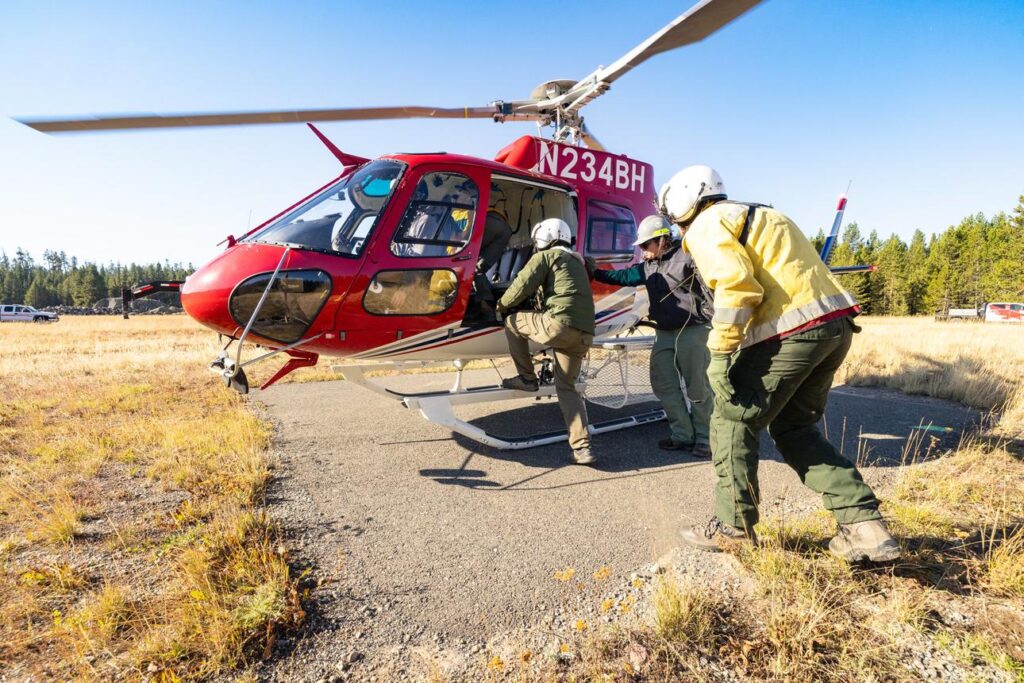
Due to the severity of the injuries and the location of the incident, park rangers initiated a helicopter evacuation.
Emergency crews responded quickly, securing the area and coordinating air transport to remove the injured hikers from the scene.
According to the National Park Service, helicopter evacuations are used in situations where:
- Injuries are serious
- Ground transport would be too slow
- Terrain limits access for emergency vehicles
The hikers were transported to a medical facility for further treatment. Their conditions have not been fully disclosed, but officials confirmed they were alive at the time of evacuation.
Bear Behavior and Possible Cause
While the exact circumstances of the attack are still under investigation, wildlife experts note that most bear encounters occur when:
- Bears are surprised at close range
- Food sources are being defended
- Cubs are present
According to the U.S. Fish and Wildlife Service, bears typically avoid humans, but defensive reactions can occur if they feel threatened or cornered.
Park officials have not confirmed whether the bear involved was a grizzly bear or a black bear, though both species inhabit Yellowstone.
Ongoing Investigation
Rangers are continuing to investigate the incident, including:
- Identifying the bear involved
- Determining the sequence of events
- Evaluating whether any management action is necessary
According to the National Park Service, responses to bear incidents depend heavily on the circumstances. In some cases, bears are monitored. In others, further action may be taken if the animal poses an ongoing risk.
Safety Reminders for Visitors
Following the incident, officials are reminding visitors that Yellowstone is active bear country—even in areas close to roads and developed trails.
Key safety recommendations include:
- Carry bear spray and know how to use it
- Make noise while hiking to avoid surprising wildlife
- Travel in groups when possible
- Stay alert, especially in areas with limited visibility
According to the National Park Service, most bear-related injuries can be prevented by maintaining awareness and following safety guidelines.
The Reality of Wildlife Encounters
Yellowstone is one of the few places in the United States where large predators still roam freely in their natural habitat.
That’s part of what makes it unique—but it also comes with risk.
Even in areas that feel safe or heavily traveled, wildlife operates on its own terms.
The Bottom Line
The helicopter evacuation of hikers following a bear attack in Yellowstone’s front country is a reminder that nature doesn’t draw lines between developed and wild areas.
According to the National Park Service and the U.S. Fish and Wildlife Service, bear encounters can happen anywhere in the park—and preparation is critical no matter where you are.
Because in Yellowstone, even a short hike can turn into something far more serious without warning.