
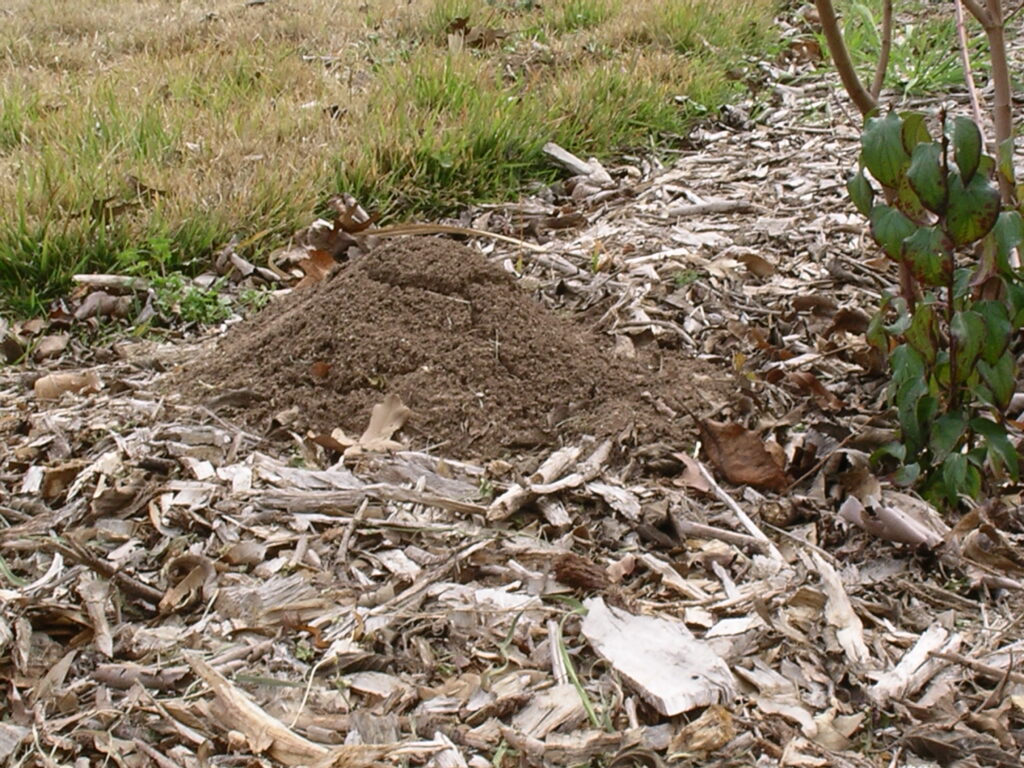
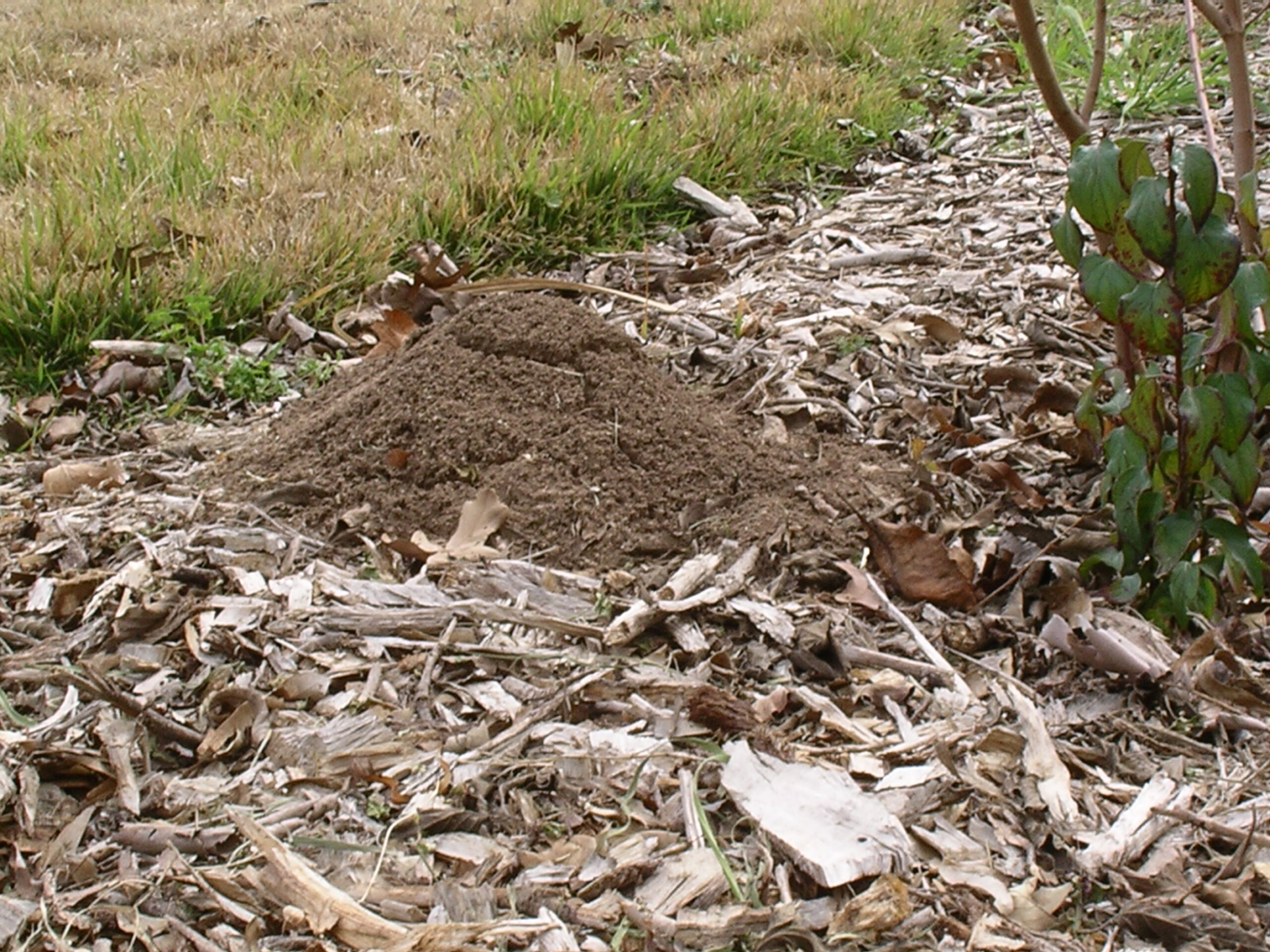
Fire ants aren’t just a nuisance—they’re aggressive, painful, and incredibly persistent. If you live in the southern United States, chances are you’ve stepped on a mound and felt the immediate sting that follows. Beyond the discomfort, fire ants can damage lawns, harm pets, and even pose serious health risks to people who are allergic to their venom.
The frustrating part is how quickly they can take over. You might eliminate one mound, only to see two more pop up weeks later. The key to winning the battle isn’t just killing the ants you see—it’s targeting the colony itself, especially the queen. Here are the three most effective and proven methods to eliminate fire ants and keep your yard under control.
1. Use Fire Ant Bait (The Most Effective Long-Term Solution)
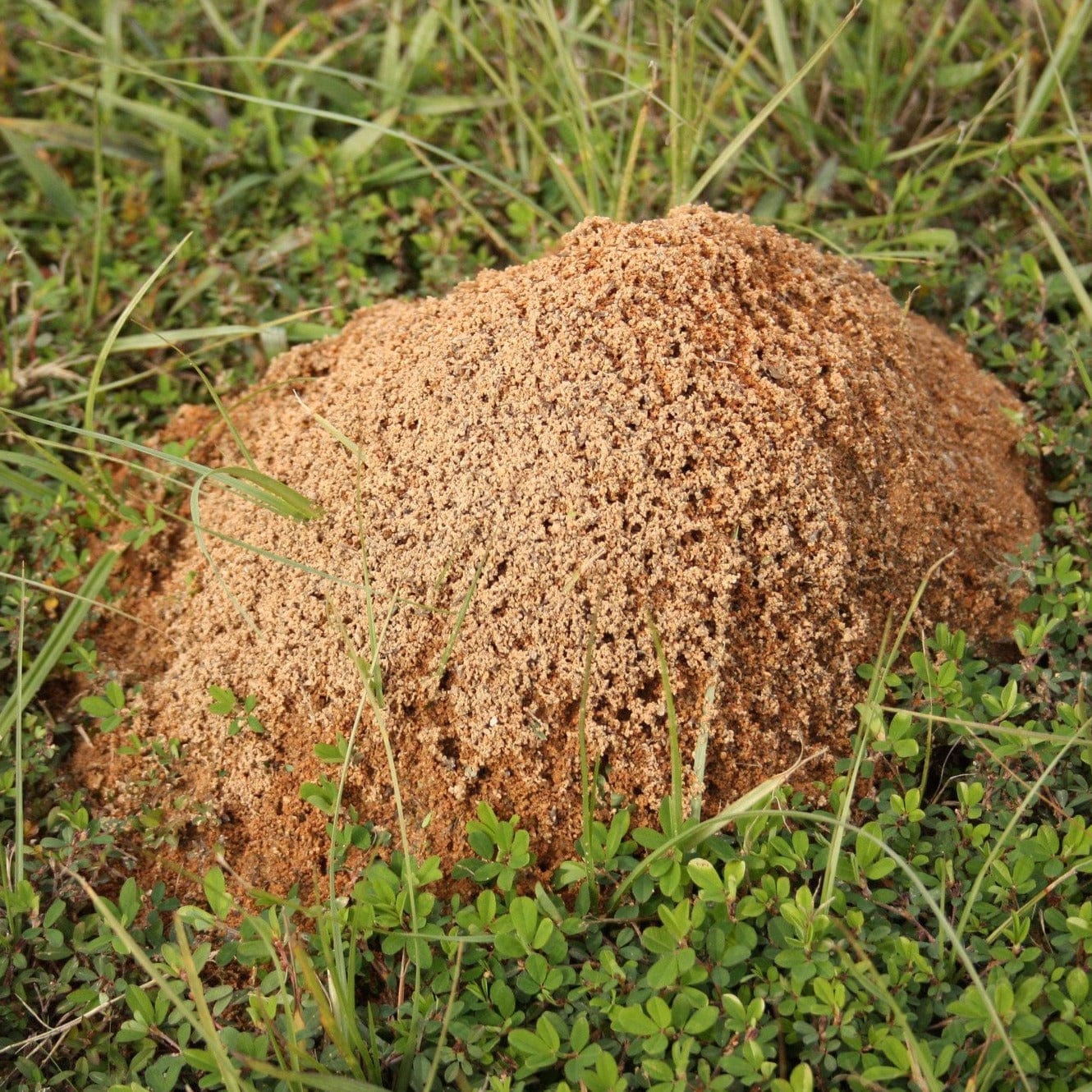
Fire ant bait is widely considered the most effective way to eliminate entire colonies. Unlike sprays that only kill ants on contact, bait works by targeting the queen—the heart of the colony.
Here’s how it works: fire ants collect the bait granules and carry them back to the mound. The bait contains a slow-acting poison mixed with food that worker ants feed to the queen. Once the queen dies, the colony collapses.
Why bait works so well:
-
It eliminates the queen, not just worker ants
-
It reaches ants underground that sprays can’t touch
-
It helps prevent colonies from rebuilding
For best results, apply bait when ants are actively foraging, usually during warm, dry weather. Early morning or late afternoon tends to be ideal. Avoid applying bait right before rain, as moisture reduces its effectiveness.
Broadcast bait across your entire yard instead of treating just visible mounds. This helps eliminate colonies you haven’t spotted yet and prevents future infestations.
You’ll usually see significant reduction within two to six weeks.
2. Treat Individual Mounds with Insecticide

If you have large, active mounds, direct treatment with insecticide is one of the fastest ways to eliminate them. This method is especially useful when colonies are located in high-traffic areas like near walkways, patios, or play areas.
There are two main options:
Liquid mound drenches:
These are mixed with water and poured directly onto the mound. The liquid penetrates deep into the colony and can kill the queen quickly if applied correctly.
Granular mound treatments:
These are sprinkled around and on top of the mound, then watered in. The insecticide moves into the colony and kills ants below the surface.
The key is using enough product and water to reach deep into the mound. Fire ant colonies can extend more than a foot underground, and incomplete treatment allows the queen to survive.
Most mound treatments work within hours to a few days, making them one of the fastest solutions available.
However, mound treatments alone won’t prevent new colonies from forming elsewhere in your yard. That’s why combining this method with broadcast bait is often the most effective strategy.
3. Use Broadcast Yard Treatments for Full Coverage
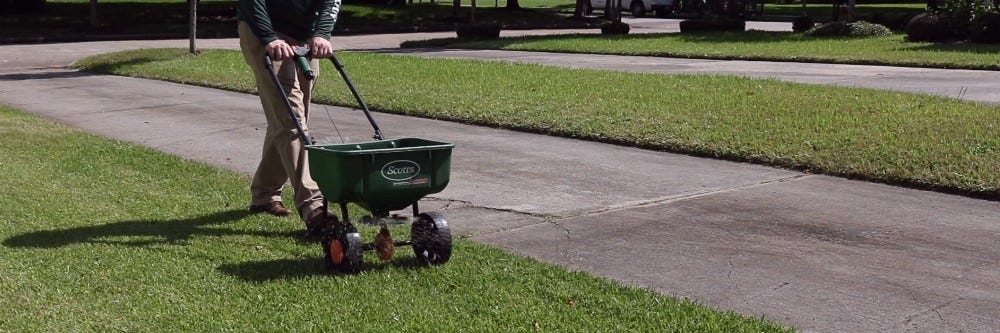
Broadcast insecticide treatments protect your entire yard, not just individual mounds. These products are applied across the lawn using a spreader and create a barrier that kills ants and prevents new colonies from establishing.
This approach works well as a preventative measure and is especially useful if you’ve had recurring infestations.
Broadcast treatments offer several advantages:
-
Reduces overall ant population across your yard
-
Prevents new colonies from forming
-
Provides longer-lasting protection
Some products combine insecticide with fertilizer, allowing you to improve lawn health while controlling pests.
Most broadcast treatments provide protection for several months, depending on the product and weather conditions. Applying once or twice per year can dramatically reduce fire ant activity.
What Not to Do: Ineffective or Temporary Solutions
Many homeowners try quick fixes that don’t actually solve the problem long-term.
Pouring boiling water on mounds can kill some ants, but it rarely eliminates the queen. The colony often recovers or relocates nearby.
Sprays that kill ants on contact may reduce activity temporarily, but they don’t address the entire colony underground.
Destroying the mound without using insecticide can make things worse. Fire ants respond by relocating and creating multiple new colonies.
The Most Effective Strategy: Combine Methods
The best results usually come from combining treatments:
-
Use broadcast bait to eliminate colonies across your yard
-
Treat visible mounds directly with insecticide
-
Apply broadcast yard treatments for prevention
This multi-step approach attacks existing colonies while preventing new ones from forming.
Timing Matters
Fire ants are most active in warm weather, especially spring through early fall. Treating early in the season helps prevent populations from exploding later.
Consistent treatment and monitoring are key. Fire ants are resilient, but with the right strategy, you can keep them under control.
Final Thoughts
Fire ants can quickly turn a peaceful yard into a painful minefield, but they’re not unbeatable. The most effective solutions focus on eliminating the queen, treating active mounds, and preventing new colonies from forming.
Using bait, mound treatments, and broadcast insecticides together gives you the best chance of long-term success. With consistent effort and the right approach, you can reclaim your yard and keep fire ants from coming back.