
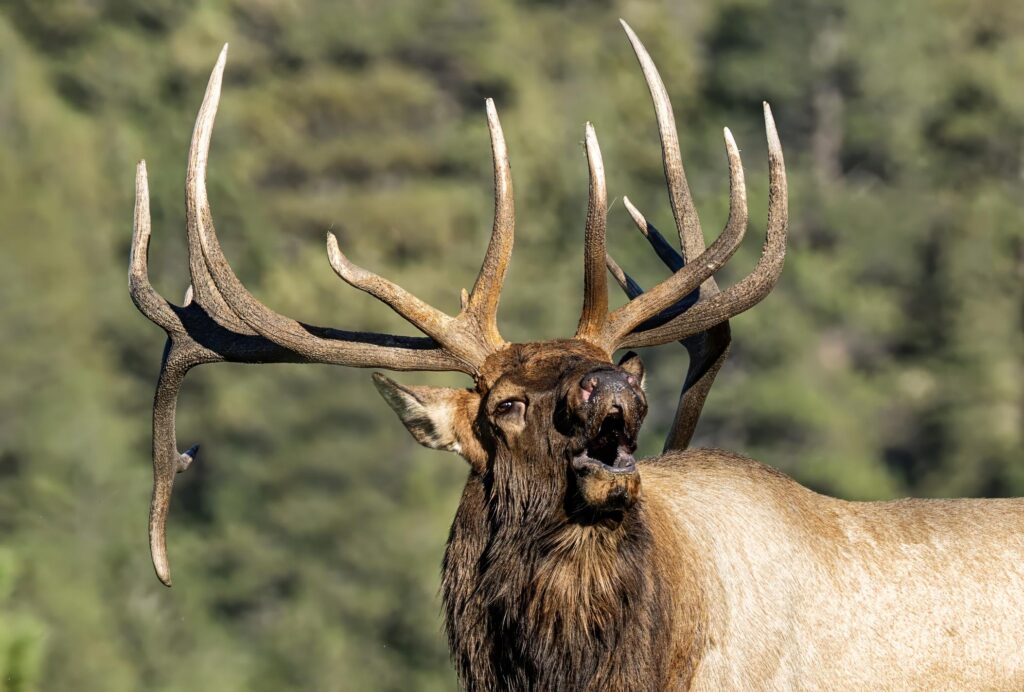
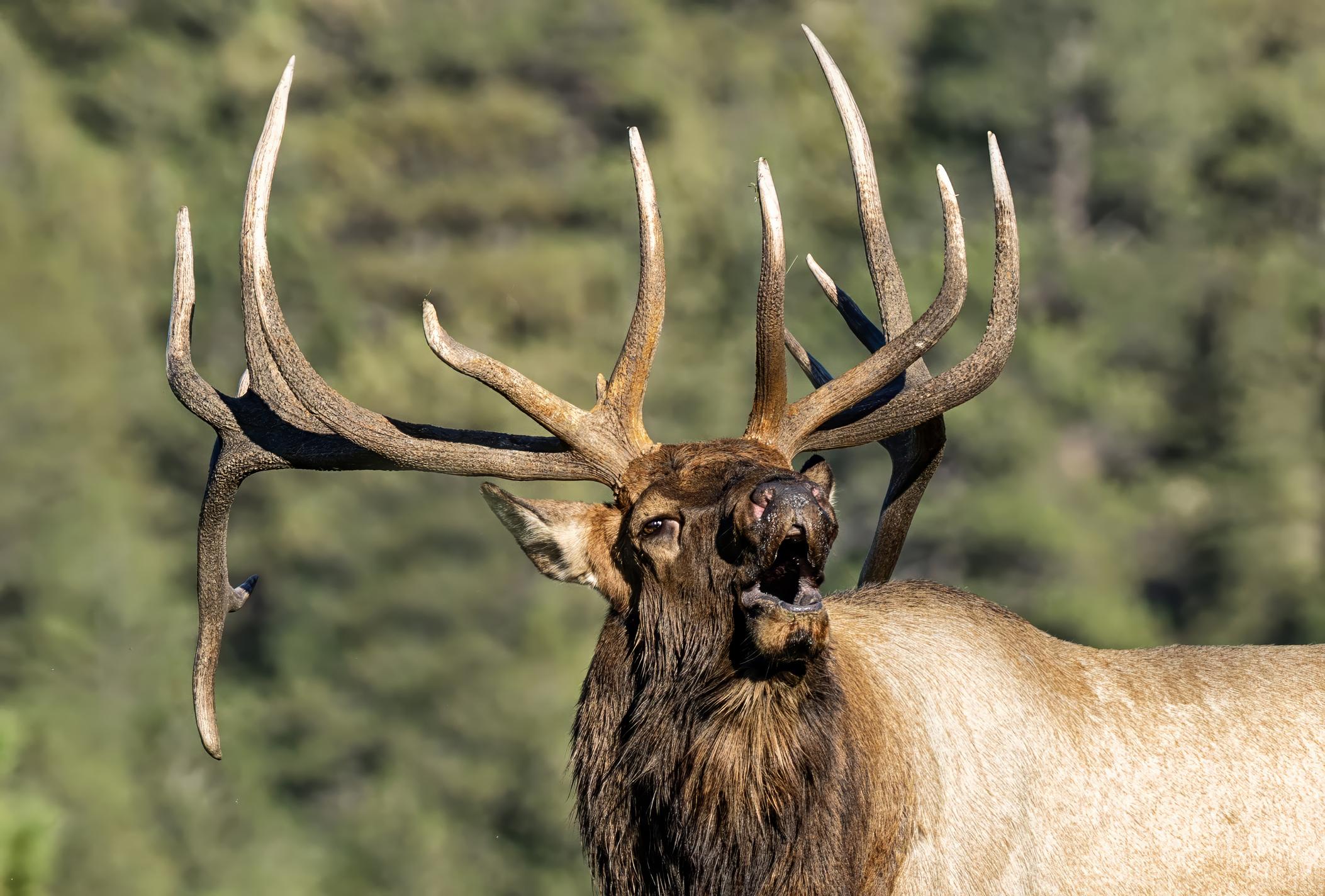
 Among western big-game hunters, few numbers carry as much weight as 300 inches. In elk hunting circles, the phrase “a 300-inch bull” has become almost mythical — a benchmark many hunters dream about but few ever see. Magazines, television shows, and social media posts often highlight massive bulls that eclipse the 300-inch mark on the Boone and Crockett scoring system, giving the impression that these animals are common across the Rocky Mountains.
The reality is very different. While 300-inch bulls certainly exist, wildlife data and harvest statistics show they represent only a small fraction of the elk harvested each year. Understanding where the myth comes from — and what most hunters actually encounter in the field — paints a much clearer picture of modern elk hunting.
Understanding the Boone and Crockett Scoring System
When hunters talk about a “300-inch bull,” they are referring to the Boone and Crockett scoring system, which measures the total length of an elk’s antlers. The scoring method adds together the lengths of main beams, tine lengths, circumferences, and inside spread to determine the final score.
According to the Boone and Crockett Club, which maintains the official record book for North American big game, a typical Rocky Mountain elk must score 360 inches to qualify for the all-time record book and 300 inches to qualify for their awards program. This benchmark has helped establish the 300-inch bull as a widely recognized milestone among elk hunters.
Because of this scoring system, a bull that breaks the 300-inch mark is generally considered a mature animal with well-developed antlers, though it still falls short of record-book status.
Why 300-Inch Bulls Seem More Common Than They Are
Part of the myth surrounding 300-inch bulls comes from the way hunting media showcases elk. Photographs and videos naturally focus on the biggest animals taken each season, which can create the perception that such bulls are typical.
However, harvest data tells a different story. According to research compiled by the Rocky Mountain Elk Foundation, the majority of bulls harvested by hunters fall into the 200–260 inch range, with many younger bulls scoring even lower. Mature bulls exceeding 300 inches represent only a small percentage of the total harvest across western states.
Wildlife agencies also confirm this trend. Data collected by the Colorado Parks and Wildlife Department — which manages the largest elk population in North America — shows that many harvested bulls are younger animals with smaller antlers. Colorado estimates its elk herd at more than 280,000 animals, yet truly large bulls remain relatively uncommon in the annual harvest.
Age Is the Key to Antler Size
One of the most important factors influencing elk antler size is age. Bulls typically require several years to reach their full antler potential.
According to biologists with the Montana Fish, Wildlife & Parks Department, elk bulls generally reach peak antler growth between 6½ and 9½ years of age. Younger bulls often produce smaller racks simply because they have not yet reached physical maturity.
In heavily hunted areas, many bulls are harvested before they reach these older age classes. This natural hunting pressure limits the number of animals that survive long enough to develop truly massive antlers.
Habitat and Genetics Also Matter
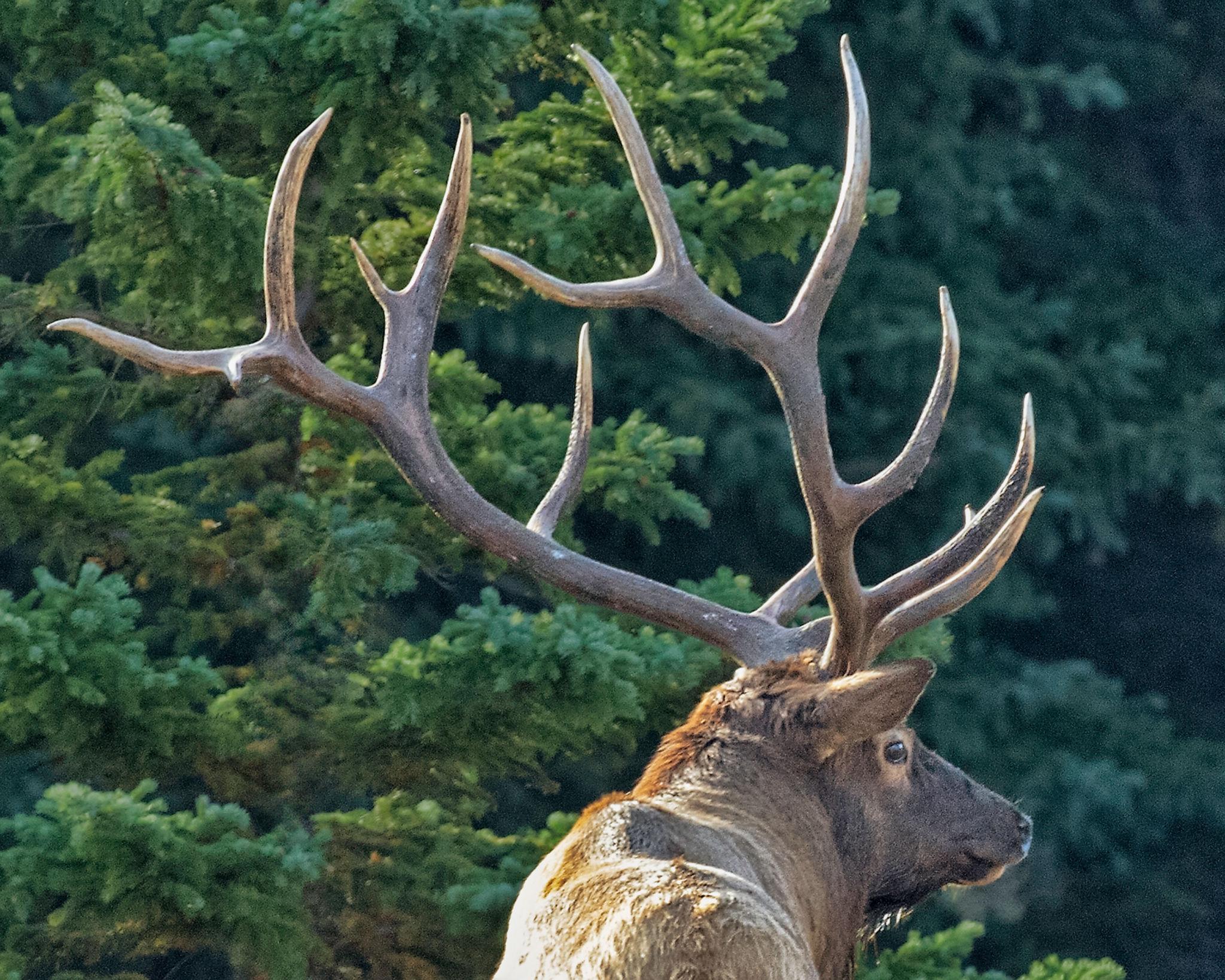
Even when bulls reach maturity, antler size can vary significantly depending on habitat conditions and genetics. Elk living in areas with abundant nutrition — such as lush summer range and productive winter habitat — often develop larger antlers than animals living in harsher environments.
The National Park Service has documented that elk populations with access to high-quality forage tend to produce bulls with greater body weight and antler mass. In contrast, bulls living in marginal habitat may never reach the same antler potential even if they live to an advanced age.
Genetics also play a role. Some elk populations simply produce larger antlers on average due to hereditary traits passed through generations.
What Most Hunters Actually See
For many elk hunters, especially those pursuing animals on public land, the most common bulls encountered are satellite bulls or younger herd bulls. These animals may carry five- or six-point racks but typically score below the 300-inch mark.
According to harvest statistics compiled by state wildlife agencies across the West, bulls scoring between 220 and 280 inches represent a much more typical elk for the average hunter. While these bulls may not meet the legendary 300-inch benchmark, they are still mature animals and represent successful hunts in challenging terrain.
Experienced guides often emphasize that focusing solely on the 300-inch milestone can cause hunters to overlook great opportunities in the field.
The Reality of Western Elk Hunting
The dream of harvesting a 300-inch bull will likely always remain part of elk hunting culture. It represents the image of a fully mature bull with heavy antlers and impressive symmetry — the kind of animal that captures the imagination of hunters across North America.
But the truth is that elk hunting success is rarely defined by a tape measure. Public-land hunters may spend years pursuing elk before encountering a truly giant bull. Weather, hunting pressure, habitat conditions, and simple luck all play major roles in the outcome of a hunt.
Wildlife organizations such as the Rocky Mountain Elk Foundation often emphasize that the real value of elk hunting lies in the experience itself — the bugling bulls at sunrise, the challenge of steep mountain terrain, and the opportunity to pursue one of North America’s most iconic big-game animals.
The Bottom Line
The idea that 300-inch bulls are common is largely a product of selective storytelling and media highlights. While these impressive animals certainly exist, they represent only a small percentage of elk on the landscape.
For most hunters, a bull in the 240–280 inch range is far more realistic — and still a tremendous trophy by any standard. Understanding this reality helps hunters set expectations while still appreciating the challenge and reward that elk hunting provides.
In the end, the myth of the 300-inch bull isn’t entirely false. It simply reflects the pursuit of something rare — a reminder of why elk hunting remains one of the most exciting challenges in North American big-game hunting.