

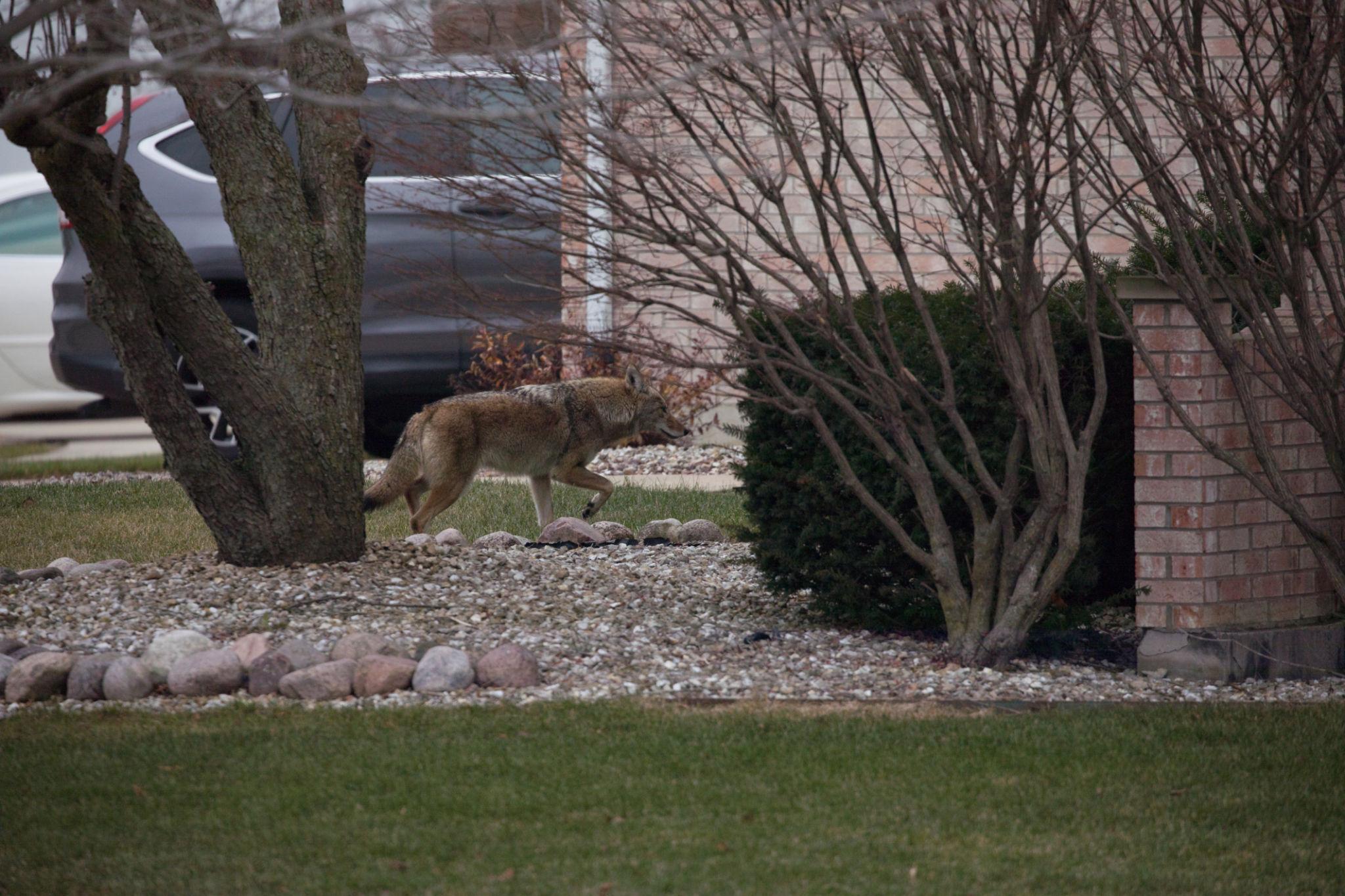
 Across much of the United States, it’s becoming increasingly common to hear the same observation from hunters, ranchers, and rural landowners: there seem to be more coyotes than ever before. Trail cameras capture them roaming fields at night, suburban security cameras show them slipping through neighborhoods, and howling packs echo across farmland after sunset. For many people, the conclusion seems obvious — coyote populations must be exploding.
Wildlife biologists say the situation is more complicated than that. While coyotes have expanded their range dramatically over the past century, their populations tend to stabilize once an area reaches its natural carrying capacity. What many people interpret as a population explosion is often the result of the animal’s extraordinary adaptability and reproductive flexibility.
A Predator That Thrives Almost Anywhere
Coyotes (Canis latrans) historically occupied the open plains and deserts of western North America. Over the last hundred years, however, their range has expanded across nearly the entire continent. Today they can be found in every U.S. state except Hawaii and throughout most of Canada and Central America.
According to the U.S. Department of Agriculture’s Wildlife Services program, coyotes now occupy a wider geographic range than any other native predator in North America. Their ability to adapt to a wide variety of environments — including forests, farmland, deserts, and major cities — has made them one of the most successful carnivores on the continent.
Researchers have documented stable populations of coyotes in places such as Chicago, Los Angeles, and even New York City. Studies conducted by the Urban Coyote Research Project have shown that coyotes can live within dense metropolitan areas while remaining largely unnoticed by residents.
The Biology Behind Rapid Population Rebounds
One of the main reasons coyotes appear to multiply quickly is their unusual reproductive strategy. Unlike many predators, coyote reproduction is strongly influenced by population pressure.
Research conducted by wildlife biologists at Utah State University has shown that when coyote populations decline due to hunting, trapping, or natural causes, female coyotes often respond by producing larger litters the following breeding season. In some cases, litters can reach six to twelve pups. When populations are stable and territories are full, litter sizes tend to be smaller.
This process is known as compensatory reproduction. It allows coyotes to quickly fill vacant territories and maintain stable population levels even when significant numbers of animals are removed.
Why Predator Control Can Have Unexpected Results
Because of compensatory reproduction, aggressive predator control sometimes produces surprising results. Removing dominant coyotes from an area can open breeding opportunities for younger animals that previously were not reproducing.
According to research from the National Wildlife Research Center, when established territorial coyotes are removed, new breeding pairs may form in the area, increasing the number of animals reproducing the following season. This does not mean predator control is ineffective, but it does help explain why coyote populations often rebound quickly after reductions.
For ranchers experiencing livestock losses, targeted control efforts can reduce predation pressure locally. However, long-term elimination of coyotes across large regions has proven extremely difficult due to the species’ reproductive adaptability.
Urban Expansion Is Changing the Landscape

Another major factor contributing to the perception of population explosions is human development. As cities expand into rural landscapes, they create environments that coyotes can easily exploit.
Suburban areas often provide an abundance of prey species such as rabbits, mice, and squirrels. Parks, golf courses, and greenbelts provide cover and travel corridors, while unsecured trash and pet food can offer additional food sources.
The National Park Service has documented that coyotes living in urban environments frequently become more nocturnal, allowing them to avoid direct interaction with humans while still using developed areas as habitat.
These adaptations make coyotes more visible to people, reinforcing the impression that populations are suddenly increasing.
Territorial Behavior Keeps Populations in Check
Despite their reputation for rapid growth, coyote populations are naturally regulated by territorial behavior. Adult coyotes defend territories that can range from two to fifteen square miles depending on habitat and food availability.
According to the National Deer Association, once a territory reaches its carrying capacity, additional coyotes generally do not increase overall numbers. Instead, new animals replace older ones as they die or move on. This constant turnover can create the illusion of population growth even when total numbers remain relatively stable.
A Predator That Is Here to Stay
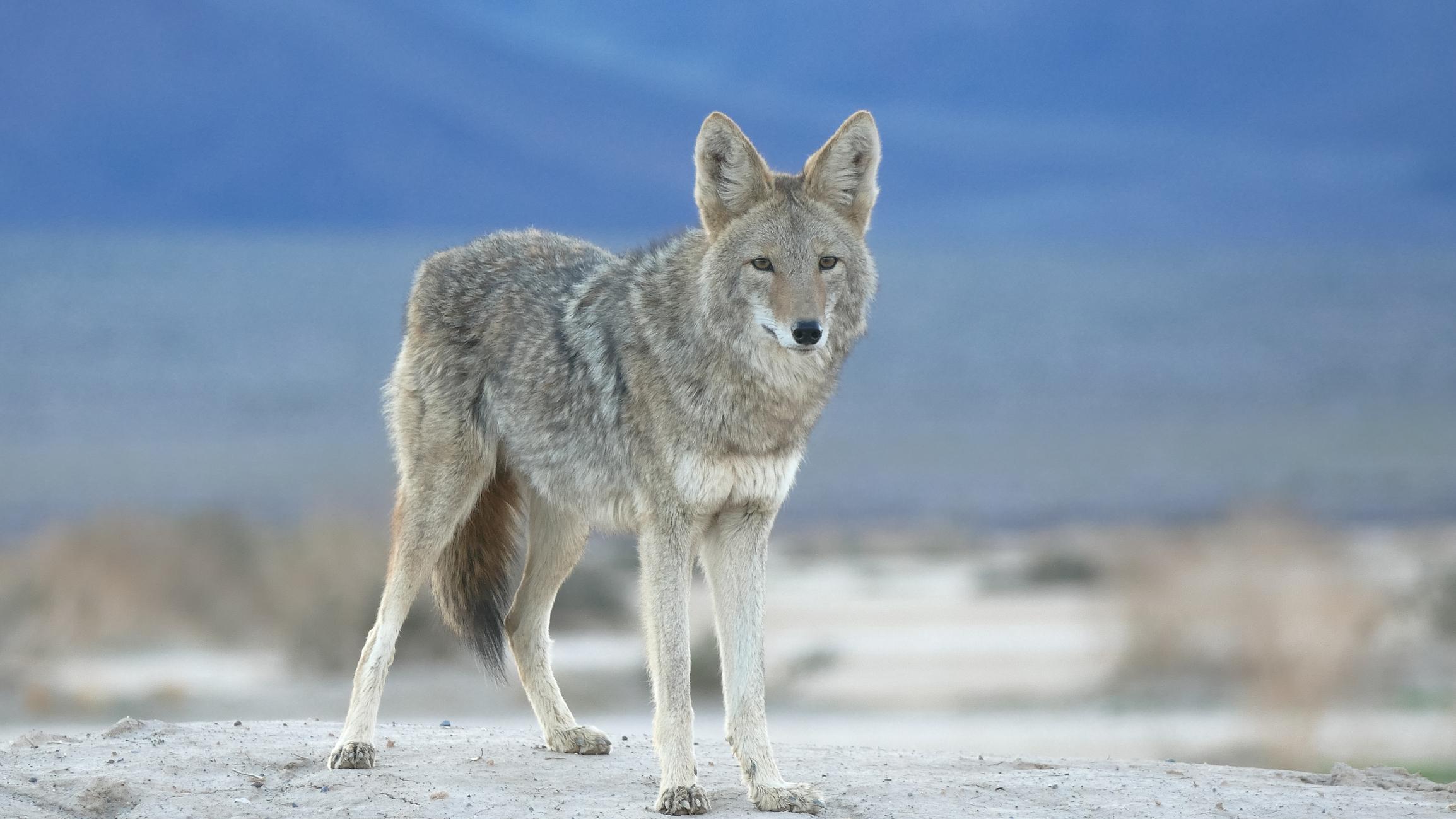
Coyotes have proven remarkably resilient. Early twentieth-century efforts to eliminate them through widespread poisoning and trapping campaigns failed to significantly reduce their continental population.
Today, wildlife agencies generally focus on managing conflicts rather than attempting eradication. According to the U.S. Fish and Wildlife Service, coyotes play an important ecological role by controlling rodent populations and scavenging carrion that might otherwise spread disease.
The reality is that coyotes are now a permanent part of the American landscape. Their adaptability, flexible diet, and ability to adjust reproduction to changing conditions make them one of the most successful predators in North America.
Understanding how coyotes behave and reproduce helps explain why their populations often appear to surge. In most cases, what looks like a population explosion is actually a reflection of a highly adaptable animal doing exactly what it evolved to do — survive in almost any environment.