
The One Fishing Mistake Almost Everyone Makes When the Weather Warms Up

Every year, it happens to fishermen across the country.
The weather warms up, the water temperature rises, and anglers rush back to the lake expecting bass to behave exactly the way they did a few weeks earlier. Shorelines get hammered, favorite spring spots receive endless casts, and frustration quickly sets in when the fish that seemed easy to find suddenly become much harder to catch.
The mistake almost everyone makes is surprisingly simple:
They keep fishing too shallow for too long.
Bass Change Faster Than Most Fishermen Expect
When temperatures begin warming in spring, shallow water often becomes the center of attention for good reason.
According to the Bassmaster, bass commonly move shallow during the spawn and immediately afterward, especially around flats, docks, vegetation, and protected coves. During this period, anglers can often find fish holding in relatively predictable areas close to shore.
The problem starts once the water keeps warming.
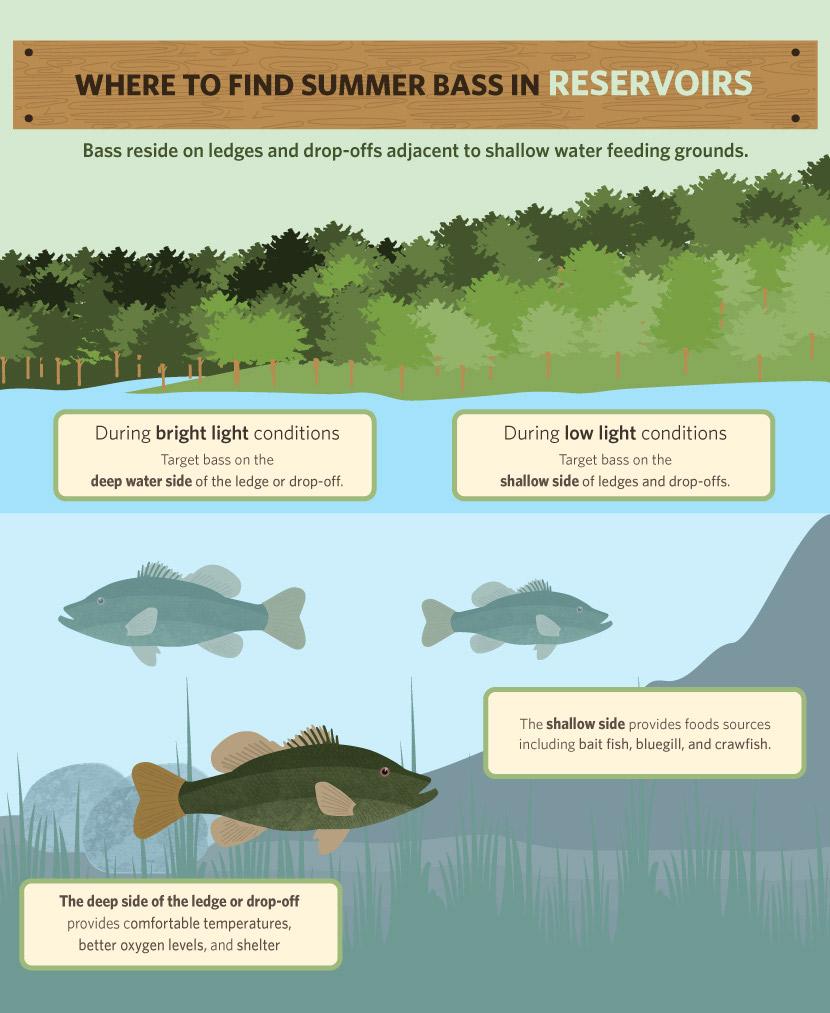
Many fishermen continue targeting the same shallow cover long after bass begin changing patterns. As temperatures climb, larger fish often slide toward secondary points, creek channels, deeper grass edges, submerged structure, and shaded areas where water temperatures remain more stable.
The fish did not disappear.
They simply moved.
Warm Weather Changes More Than Temperature
Bass respond to much more than heat alone.
According to fisheries guidance from the Texas Parks and Wildlife Department, warming water affects oxygen levels, baitfish movement, and feeding behavior. As shad and bluegill relocate, bass typically follow. Increased boat traffic, fishing pressure, and bright sunlight also push larger fish toward areas offering security and comfort.
That transition often happens gradually.
One weekend a shoreline bite feels unstoppable. Two weeks later, the same bank seems completely dead. Many anglers assume the fish stopped feeding when, in reality, they simply failed to adjust with changing conditions.
Fishing Too Fast Makes the Problem Worse
The second mistake many anglers make involves speed.
Warmer weather convinces fishermen to fish aggressively, burn moving baits, and cover water quickly. While fast presentations absolutely have their place, many post-spawn and summer bass become surprisingly selective during heat waves, especially larger fish.
Experienced anglers often slow down once temperatures climb.
Dragging soft plastics, working deeper structure, or focusing on shaded cover frequently produces more consistent bites than racing down the bank throwing reaction lures everywhere.
Patience starts mattering again.
What Smart Fishermen Do Differently
The best anglers usually make one adjustment before everyone else.
They stop assuming yesterday’s pattern still works.
Instead of staying glued to shallow water, experienced fishermen begin checking transition zones where bass naturally reposition as temperatures rise. Creek bends, deeper docks, submerged brush piles, offshore humps, and drop-offs often become far more productive once spring patterns fade.
They also start paying attention to timing.
Early mornings, overcast days, wind-blown banks, and evenings often pull bass temporarily shallow again, while midday heat frequently pushes fish toward deeper or more protected water.
Small adjustments often produce big differences.
The Bottom Line
The biggest fishing mistake most anglers make when the weather warms up is continuing to fish where bass used to be instead of where bass moved.
Warmer water changes fish behavior faster than many people expect, and anglers who refuse to adjust often convince themselves the lake simply “turned off.” In reality, the fish are usually still feeding—they just are not sitting in the same shallow spots anymore.
Sometimes catching more fish has less to do with buying new gear and more to do with realizing the season quietly changed before you did.