
“What Is Going On in California?”: Slow Vote Count Sparks Fraud Claims, Federal Probe, and National Outrage

California’s 2026 primary election has quickly turned into one of the most controversial political stories in the country after delayed vote counts, fraud allegations, and federal investigations collided in a political firestorm that critics are increasingly calling an election scandal.
At the center of the controversy sits one question:
Why is California still counting votes days after the election?
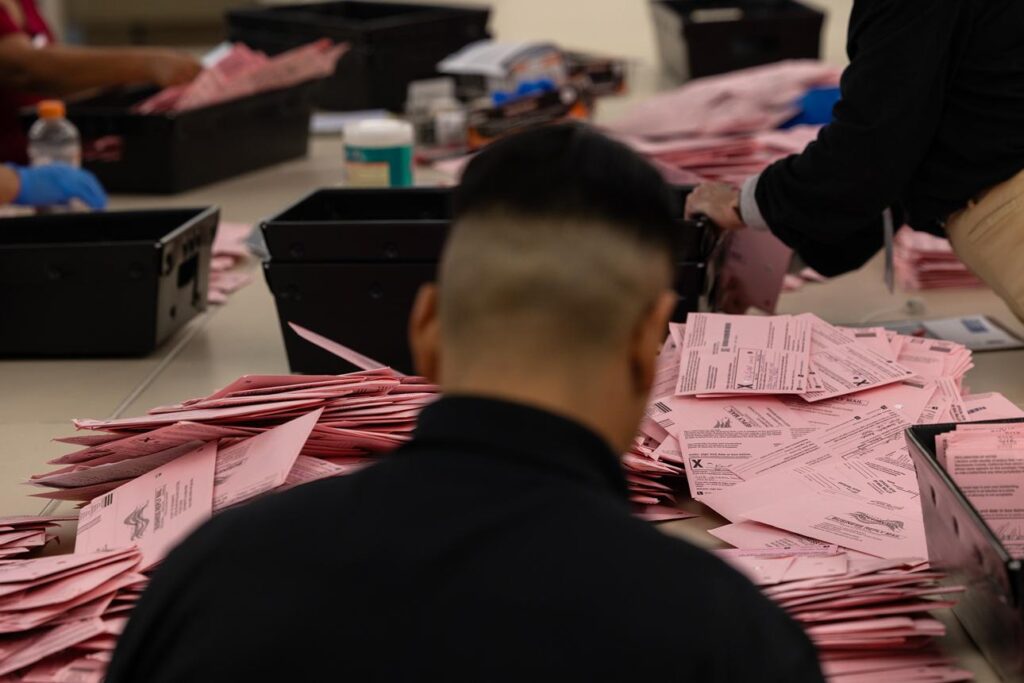
According to California election officials, the answer involves the state’s long-standing mail ballot system, signature verification requirements, and ballot-curing process. California law allows ballots postmarked by Election Day to arrive days later and still count, while counties also verify signatures and allow voters time to correct ballot issues before certification. Election officials argue the slower process prioritizes accuracy over speed.
Critics, however, are not buying it.
Trump and Republicans Are Calling Foul
President Donald Trump sharply criticized California’s vote-counting process this week after Republican-backed candidates lost early leads as additional ballots were counted.
According to reporting from The Wall Street Journal, Trump publicly accused Democrats of “trying to steal” key races, particularly after former reality television personality Spencer Pratt lost ground in the Los Angeles mayoral race while Republican gubernatorial candidate Steve Hilton faced a tightening contest. Trump described California’s system as “rigged” and questioned why results continue shifting days after polls closed.
Many Republicans argue the optics look bad.
Election-night leads changed.
Mail ballots continued arriving.
And late-counted votes once again appeared to trend heavily toward Democratic candidates.
For critics, it looked suspicious.
For election experts, it looked predictable.
California Officials Say This Happens Every Election
According to election administrators and former officials interviewed by PBS NewsHour and ABC7, California’s system regularly produces what analysts call a “red mirage,” where Republican candidates often lead early because in-person votes are counted first, while later mail ballots—historically more Democratic—shift totals in the following days. Officials insist the process may be frustratingly slow, but they argue it is not unusual.
Election experts also point to safeguards.
Mail ballots undergo signature matching, voter eligibility checks, and verification procedures before being accepted. Counties additionally allow voters several days to fix rejected signatures or missing information before ballots are discarded. According to California election officials, those steps intentionally slow the process but aim to reduce mistakes and disenfranchisement.
Still, growing public frustration continues.
Because many voters increasingly ask why the nation’s largest state cannot count votes faster.
Federal Investigations Added Fuel to the Fire
The controversy intensified after federal officials announced multiple election-related investigations in California.
According to reporting from The Washington Post and FOX LA, the Los Angeles U.S. Attorney’s Office confirmed that federal investigators had opened inquiries into several election-related complaints as criticism mounted over delayed results. Officials did not publicly detail the allegations or suggest widespread fraud had been uncovered, but news of investigations quickly intensified speculation online.
Supporters of investigations say scrutiny is necessary to restore trust.
Critics argue the investigations risk amplifying conspiracy theories without evidence.
So far, authorities have not publicly announced findings proving large-scale fraud.
Why California Keeps Becoming the Flashpoint
California’s election system has increasingly become a national political target because it combines several controversial issues at once: universal mail voting, lengthy ballot deadlines, and slow counts in high-profile races.
According to The Guardian and PBS NewsHour, misinformation surrounding California elections often spreads quickly online because delayed counting creates a vacuum where rumors thrive before final results emerge. Experts note similar controversies surfaced repeatedly after previous elections involving late-arriving mail ballots.
Meanwhile, California voters themselves appear divided.
Some say accuracy matters more than speed.
Others increasingly believe waiting a week or more for results damages confidence in elections regardless of whether wrongdoing exists.
The Bottom Line
California’s 2026 election controversy has become far bigger than a slow vote count.
Fraud allegations, federal probes, political outrage, and rapidly shifting races have turned the state into the center of another national argument over election trust. Supporters of the system say safeguards are working exactly as designed. Critics argue Americans should not have to wait this long to know who won.
What happens next may matter far beyond California.
Because whether voters see this as caution—or chaos—could shape how Americans view elections moving forward.