
The Reason Big Bass Suddenly Disappear From Shallow Water—And Where They Usually Go

Every bass fisherman knows the frustration.
One week, big fish seem to be everywhere. Bass are crushing topwater lures near points, sitting under docks, and ambushing bait around shoreline grass. Then suddenly, the bite disappears. The same shallow water that produced quality fish only days earlier suddenly feels empty.
Many anglers assume the fish stopped feeding.
In reality, big bass usually have not disappeared at all. According to fisheries biologists and professional anglers, mature bass often move because changing conditions force them to reposition. Water temperature, fishing pressure, bait movement, and weather shifts all influence where larger fish spend their time.
Rising Water Temperatures Push Bigger Fish Deeper
One of the biggest reasons bass leave shallow water involves heat.
According to the Texas Parks and Wildlife Department, largemouth bass become increasingly sensitive to rising water temperatures as summer progresses. While shallow flats, grass edges, and docks may hold fish during spring and cooler mornings, prolonged heat often pushes larger bass into deeper water where temperatures remain more stable and oxygen levels improve.
This shift usually happens gradually rather than overnight.
A productive shoreline pattern in early June may slowly fade as fish move toward creek channels, submerged ledges, deeper grass lines, or offshore structure. Bigger bass especially prefer areas where they can conserve energy while remaining close to food.
Fishing Pressure Quietly Changes Bass Behavior
Many anglers overlook another important factor.
Big bass become difficult to catch because they learn.
According to professional anglers featured by the Bassmaster, heavily pressured lakes often force mature fish to behave differently. Weekend boat traffic, constant lure presentations, and repeated fishing pressure near obvious cover can push larger bass away from predictable shoreline spots.
That does not mean the fish leave completely.
Often, they simply reposition somewhere slightly harder to reach. Bass may suspend near deeper docks, hold off secondary points, or move toward offshore cover receiving less fishing pressure. In many cases, anglers continue fishing where bass used to be instead of adapting to where they moved.
Baitfish Usually Tell the Story
If forage moves, bass usually follow.
According to fisheries experts, shad and bluegill shift locations throughout the year based on temperature, oxygen, and available food. When bait moves offshore or begins suspending over deeper water, larger bass often reposition with them.
This explains why a shoreline can suddenly feel lifeless.
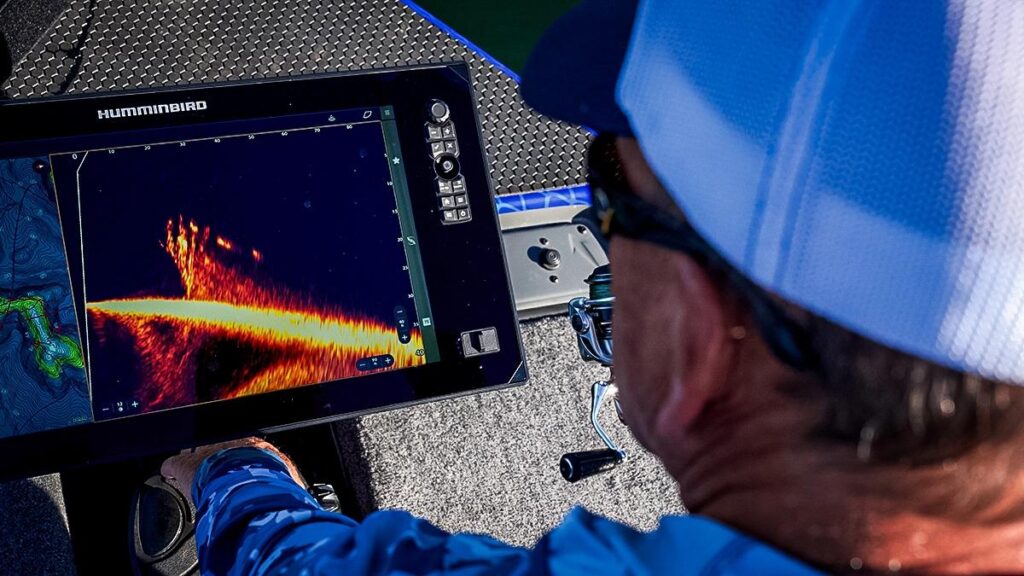
The fish are still feeding, but they may now be feeding twenty feet deeper over submerged structure rather than along the bank. Electronics have become essential for many serious anglers because bass increasingly spend time in places that are impossible to find by sight alone.
Weather Changes Can Shift Fish Quickly
Bass behavior can also change much faster than many fishermen expect.
Cold fronts, rising winds, sudden rain, water releases, or dropping lake levels frequently reposition fish in a matter of days. According to tournament anglers, mature bass often react faster than smaller fish because they seek stable conditions and dependable feeding opportunities.
This is why anglers sometimes experience an incredible weekend bite only to struggle days later in the exact same locations.
The fish did not stop biting.
They simply moved.
Low-Light Conditions Still Pull Big Bass Shallow
Even when bass leave shallow water during warmer months, many still return temporarily.
Early mornings, evenings, windy days, overcast skies, and nighttime hours frequently pull larger fish back toward shoreline cover to feed. This movement explains why anglers occasionally catch trophy bass in surprisingly shallow water even during the hottest months of the year.
Timing simply becomes more important.
A dock that feels dead at noon may hold feeding fish at sunrise.
The Bottom Line
When big bass suddenly disappear from shallow water, they rarely vanish without reason. Rising temperatures, changing bait patterns, fishing pressure, and weather conditions quietly push fish into deeper or less obvious locations where they feel more comfortable.
For serious anglers, understanding that movement matters.
Because many times, the difference between believing the lake has gone cold and landing a trophy fish comes down to one simple realization:
The bass never actually left. They just moved.