
“They Keep Crossing the Fence”: Llano County Landowner Battles HOA Residents Over ATV Trespassing

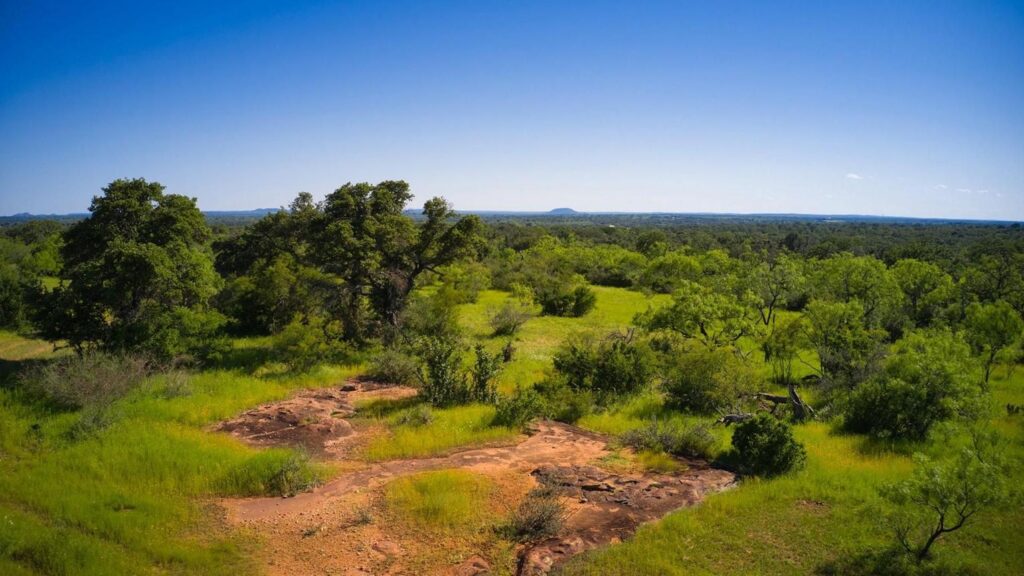
What started as a quiet stretch of private land in Llano County has turned into a growing conflict between a longtime landowner and a nearby HOA development—one centered around trespassing, property rights, and the increasing pressure of new growth in rural Texas.
At the heart of the dispute is a simple issue:
People from a neighboring subdivision are allegedly riding ATVs across private land—without permission.
A Boundary That Keeps Getting Crossed
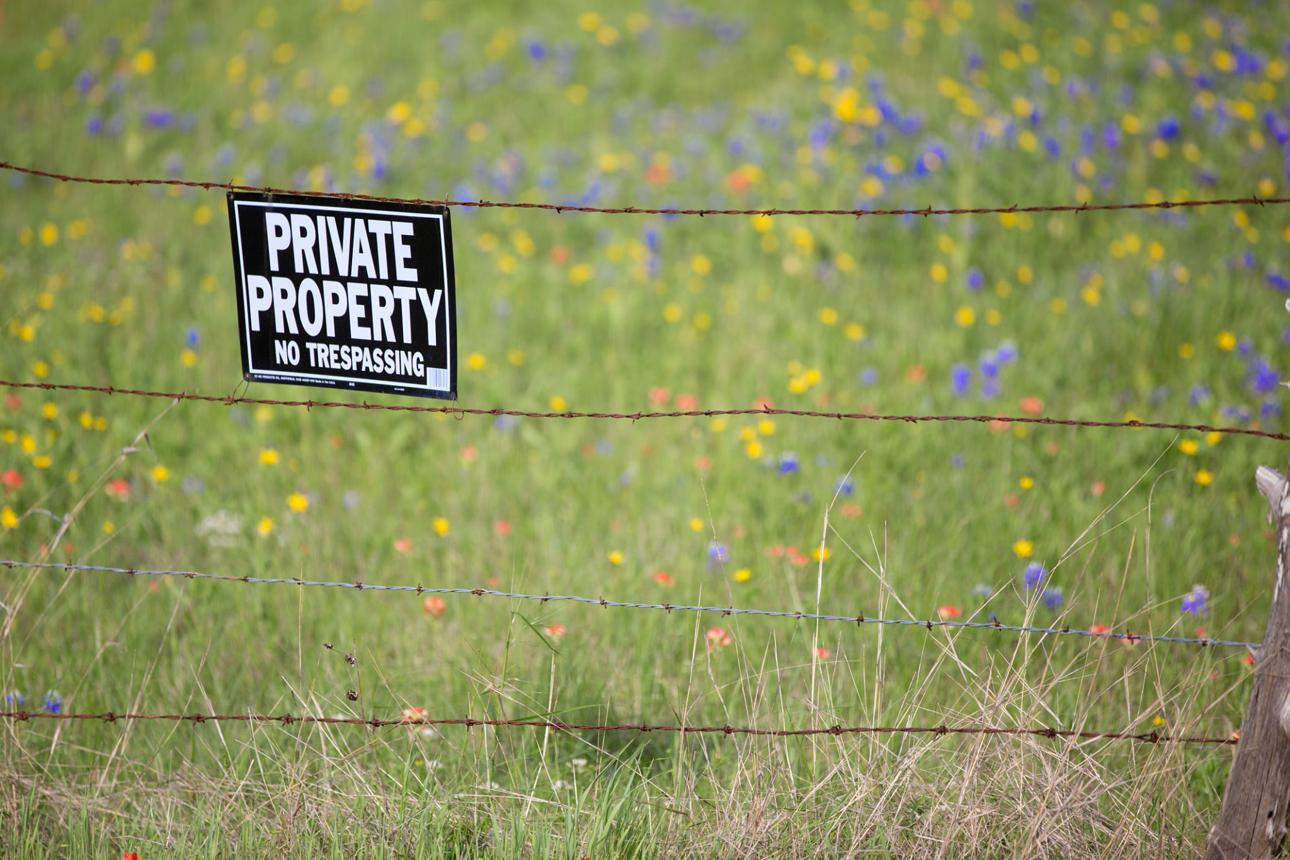
According to the landowner, the problems began shortly after a new development went in next to his property. What was once a clearly defined and respected boundary quickly became something else entirely.
ATV tracks started appearing along fence lines. Gates were found open. And eventually, riders were seen crossing directly onto private land.
Despite signage and fencing, the activity didn’t stop.
“It’s not just once or twice,” the landowner reportedly said. “It’s becoming a regular thing.”
From Open Land to Subdivision Living
Situations like this are becoming more common across Central Texas.
As developments expand into rural areas, new residents often find themselves living next to large tracts of private land—land that may look open, unused, or accessible.
But appearances can be misleading.
In Texas, private property laws are clear: if it’s not yours, you don’t have the right to be on it without permission.
And that includes:
- Riding ATVs
- Hunting
- Hiking
- Or any form of recreation
The HOA Factor
What makes this situation more complicated is the involvement of an HOA-managed community.
Homeowners associations often regulate what happens inside the neighborhood—but they have no authority beyond their boundaries.
That hasn’t stopped tensions from rising.
The landowner claims attempts to address the issue—either directly or through HOA channels—haven’t solved the problem. In some cases, riders simply return days later.
More Than Just Tire Tracks
To some, ATV riding might seem harmless.
But for landowners, it can cause real damage:
- Torn-up roads and trails
- Broken fencing
- Disturbed livestock or wildlife
- Liability concerns if someone gets hurt
And in Texas, liability is a serious issue. If someone is injured on your property—even while trespassing—it can still create legal complications.
That’s part of what’s driving the urgency behind this dispute.
Legal Lines Are Clear
Under Texas law, criminal trespassing occurs when someone enters or remains on private property without effective consent—especially when notice has been given through signs or fencing.
In rural counties like Llano, enforcement can vary, but landowners do have options:
- Calling local law enforcement
- Filing trespass complaints
- Documenting repeated violations
- Pursuing civil action if necessary
But none of those options are quick or easy.
A Growing Frustration
For the landowner, the issue isn’t just about rules.
It’s about respect.
Many rural landowners rely on their property for:
- Agriculture
- Hunting
- Family use
- Long-term investment
When others treat that land like public space, it creates tension that can escalate quickly.
“This isn’t a park,” the landowner said. “It’s private land.”
The Bigger Trend in Texas
This situation reflects a broader shift happening across Texas.
As more people move into rural areas, there’s often a disconnect between:
- New residents looking for recreation
- Longtime landowners protecting their property
Without clear communication—and respect for boundaries—conflicts like this are becoming more frequent.
What Happens Next?
At this point, the situation appears unresolved.
The landowner continues to deal with trespassing incidents, while pressure builds for a more permanent solution.
That could include:
- Increased enforcement
- Legal action
- Physical barriers like improved fencing or gates
But even then, there’s no guarantee the issue disappears overnight.
The Bottom Line
A fence line might seem like a simple boundary.
But in places like Llano County, it represents something much bigger—ownership, responsibility, and the right to control what happens on your land.
As development continues to push into rural Texas, stories like this are likely to become more common.
Because when private land meets public mindset…
The line between the two can get crossed—literally.