

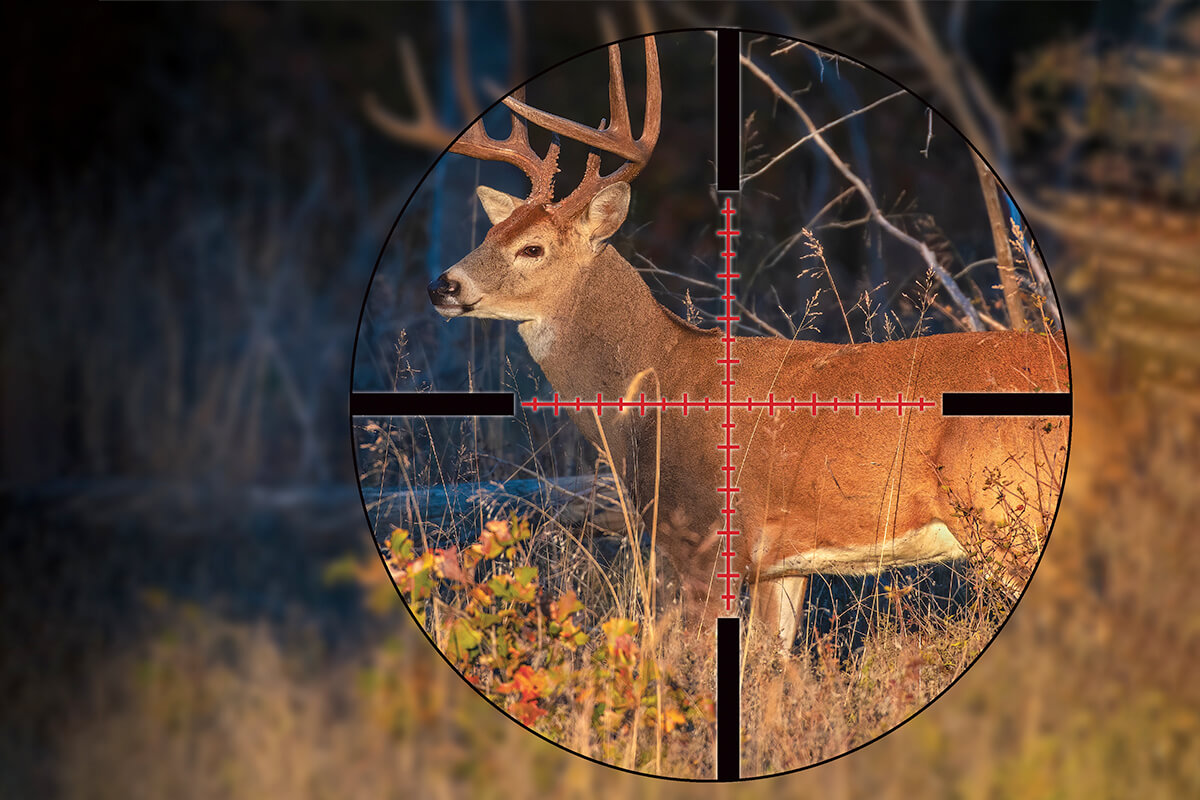
Many hunters spend countless hours trying to squeeze the smallest possible groups out of their rifles. On shooting forums and at the range, conversations often revolve around achieving “sub-MOA” accuracy or producing tiny cloverleaf groups on paper targets. But when it comes to real-world hunting, an extremely small group isn’t always necessary.
In fact, many experienced hunters and ballistics experts say a 1.5-inch group at 100 yards is more than accurate enough for ethical hunting of most North American game. The key reason is simple: the vital zone on animals like deer and elk is far larger than the tiny bullseye shooters often chase at the range.
According to the National Shooting Sports Foundation, hunters should prioritize consistent, reliable accuracy that keeps shots within the animal’s vital area, rather than focusing solely on producing the smallest possible target groups.
Understanding What a 1.5-Inch Group Means
When shooters talk about group size, they are referring to the distance between the two farthest bullet holes on a target. A 1.5-inch group at 100 yards means all shots land within a circle roughly the size of a golf ball.
That level of precision translates to roughly 1.5 minutes of angle (MOA). In practical terms, it means that at 200 yards the group would likely expand to about three inches, assuming consistent shooting conditions.
According to shooting analysis published by Outdoor Life, many factory hunting rifles are designed to deliver around 1–2 MOA accuracy, which is widely considered sufficient for hunting applications.
The Size of an Animal’s Vital Zone
The most important factor in hunting accuracy is whether the bullet lands in the animal’s vital area.
For example, the vital zone on a mature White‑tailed Deer—which includes the heart and lungs—is typically about 8 to 10 inches in diameter. According to hunting guidelines published by the Texas Parks and Wildlife Department, ethical hunters aim for this vital area to ensure a quick and humane harvest.
When compared to an 8-inch vital zone, a 1.5-inch rifle group provides a significant margin of error. Even at longer distances, the rifle remains capable of placing bullets well within the target area.
Real-World Hunting Conditions Matter
Range shooting conditions are rarely the same as hunting conditions.
Hunters often shoot from awkward positions, deal with wind, adrenaline, and moving animals, and may have limited time to take a shot. Because of this, the shooter’s ability to handle the rifle under real-world conditions is often more important than extremely small target groups.
According to advice from shooting instructors cited by Field & Stream, hunters should focus on consistent accuracy from realistic field positions rather than obsessing over tiny benchrest groups.
Practicing from kneeling, sitting, or using shooting sticks can often improve real hunting performance more than chasing microscopic groups on paper.
Ethical Hunting Is About Shot Placement
Ultimately, ethical hunting comes down to placing the bullet in the right spot, not achieving laboratory-level accuracy.
Ballistics experts emphasize that reliable accuracy—combined with knowledge of range, wind, and bullet performance—is far more important than shaving a half inch off a target group.
Many hunters who consistently harvest game animals every season do so with rifles that shoot 1- to 1.5-inch groups, which remain extremely effective within normal hunting distances.
Confidence Matters More Than Perfection
For hunters, confidence in their equipment is critical. Knowing that a rifle consistently groups within 1.5 inches gives shooters the confidence that their firearm will perform when the moment arrives.
While precision shooting and competitive marksmanship often demand extremely tight groups, hunting places greater emphasis on reliability, familiarity with equipment, and disciplined shot placement.
A perfectly tuned rifle that shoots tiny groups on the bench is impressive—but in the field, what matters most is whether the hunter can place that shot inside the animal’s vital zone.
Accuracy That Works in the Real World
The pursuit of accuracy is part of the fun of shooting sports, but hunting success does not require a competition-level rifle.
A rifle capable of 1.5-inch groups at 100 yards provides more than enough precision for most hunting situations. When combined with proper practice, good judgment, and ethical shot selection, that level of accuracy can consistently deliver clean and effective harvests.
For many hunters, the takeaway is simple: you don’t need a perfect rifle to be an effective hunter—you just need one that reliably puts the bullet where it counts.