
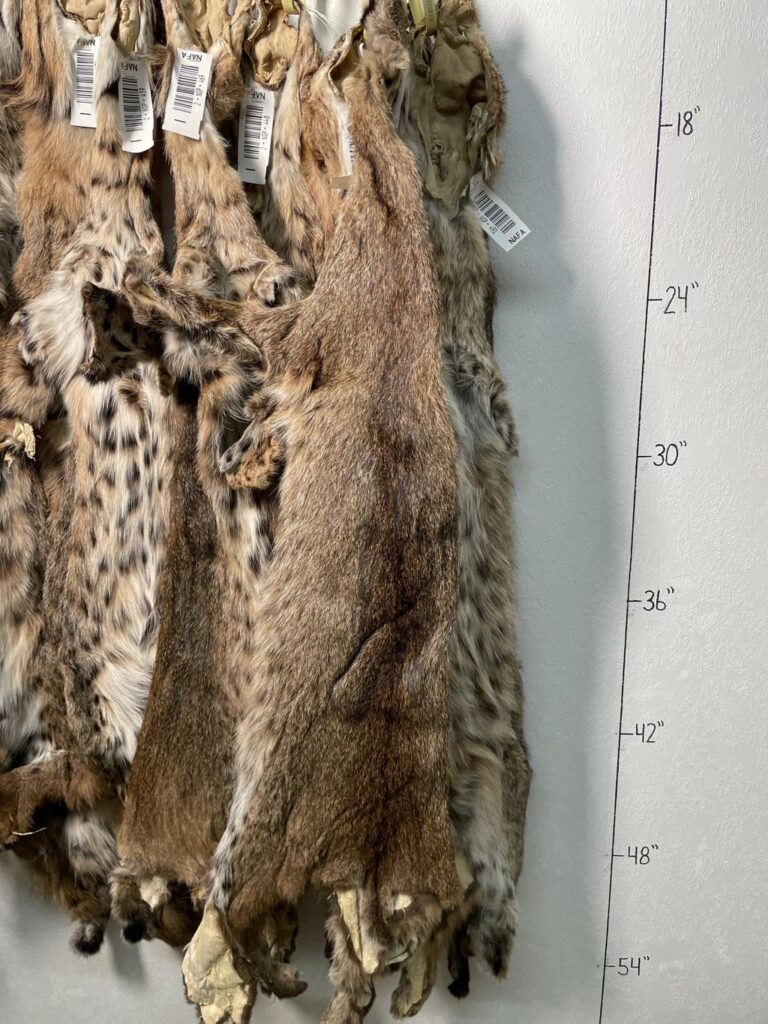
Why Bobcat Fur Is Suddenly Big Business Again—Demand From China and Europe Fueling The New Rush for Fur

For many hunters and trappers, bobcats have quietly become one of the most valuable predators on the landscape again.
After years of struggling fur markets, growing overseas demand—particularly from China and parts of Europe—is helping push renewed interest in bobcat pelts. In some regions, trappers report prices climbing enough to make bobcats one of the few predators still capable of bringing meaningful money at fur sales.
That renewed demand is reshaping conversations around predator management, trapping, and the economics of fur.
And not everyone sees the trend the same way.
Why Bobcat Fur Is Suddenly Valuable Again
Unlike coyotes or raccoons, bobcat pelts have long occupied a different place in the fur market.
Their spotted coats remain highly sought after for trim on luxury garments, coats, and fashion products. According to reporting cited by the Minneapolis Federal Reserve and historical fur market data, affluent buyers in China and other overseas markets have played a major role in driving demand for premium North American bobcat fur for years. Strong overseas interest helped turn bobcats into some of the highest-valued furbearers in North America.
Demand never completely disappeared.
According to recent fur market reports from Fur Harvesters Auction Inc. and trapping publications, wild fur markets have shown signs of stabilization after years of decline, with bobcats remaining one of the more desirable species because of limited supply and continued fashion demand overseas.
For many trappers, bobcats remain one of the few animals worth serious effort.
China and Europe Continue Driving Demand
Industry observers say much of the current interest still traces back overseas.
According to wildlife trade reporting and conservation groups tracking fur exports, China and parts of Europe continue serving as major destinations for bobcat pelts used in luxury fashion and garment production. During previous market highs, the United States exported tens of thousands of bobcat pelts annually, with demand rising sharply as international buyers sought wild fur products.
Some garments require large numbers of pelts.
According to wildlife trade reporting cited by Western Environmental Law Center, full fur garments may require dozens of bobcat pelts depending on design and size, helping explain why demand for premium spotted western bobcats often commands the strongest prices.
Western cats especially stand out.
Highly spotted bobcats harvested in states like Texas, New Mexico, Arizona, and Nevada frequently bring stronger prices because fashion buyers favor lighter-colored, heavily patterned fur. According to recent trapping market reports, premium western bobcats sometimes continue commanding several hundred dollars depending on quality, color, and market conditions.
Texas Hunters and Trappers Are Paying Attention
In Texas, bobcats occupy an unusual role.
Many ranchers see them as predators capable of taking fawns, turkeys, quail, and occasionally small livestock. At the same time, growing pelt values create added incentive for hunters and trappers already managing predators on ranchland.
According to the Texas Parks and Wildlife Department, bobcats remain widespread across Texas and may legally be hunted or trapped under state regulations. However, exported pelts entering international trade generally require CITES tagging because bobcats are monitored globally to prevent overharvest.
That system exists partly because of past concerns over trade pressure.
Wildlife advocates periodically raise questions about whether rising prices could increase harvest pressure, while trappers often counter that regulated seasons and tagging systems already keep harvest sustainable.
The Debate Around Fur Is Not Going Away
The growing market also revives an old argument.
Supporters of trapping often argue fur represents sustainable wildlife management and a way to generate value from predator control already happening across ranch country. Critics argue fashion demand for wild fur raises ethical concerns and question whether growing exports should drive additional harvest.
For now, the market appears to be speaking.
After years of weak fur sales, many trappers say bobcats remain one of the few bright spots attracting consistent buyer interest.
The Bottom Line
The bobcat fur trade appears to be gaining strength again as demand from China and Europe continues fueling interest in premium pelts.
For hunters and trappers across Texas and the West, that renewed demand has made bobcats one of the most economically valuable predators on the landscape once again. Whether viewed as predator management, business opportunity, or controversial wildlife trade, one thing seems increasingly clear:
The spotted coat of a bobcat still carries real value far beyond the ranch country where the animal lives.