
Why Deer Travel Corridors Matter More Than Most Hunters Realize
If you’ve ever hunted a property where deer seem to appear out of nowhere—and then disappear just as quickly—you’re likely overlooking one of the most important pieces of the puzzle: travel corridors.
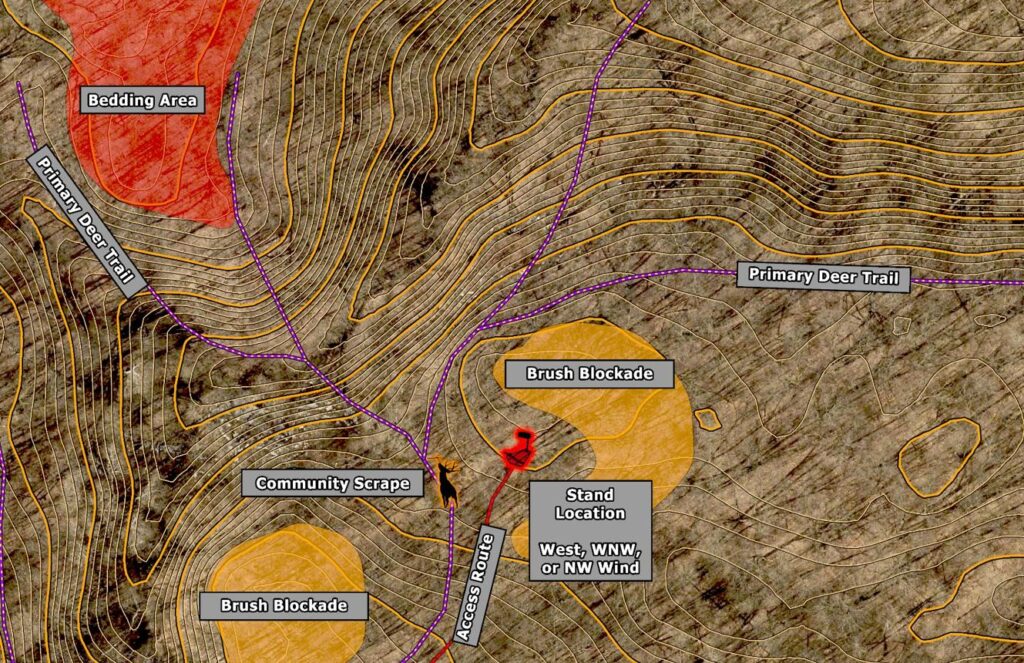
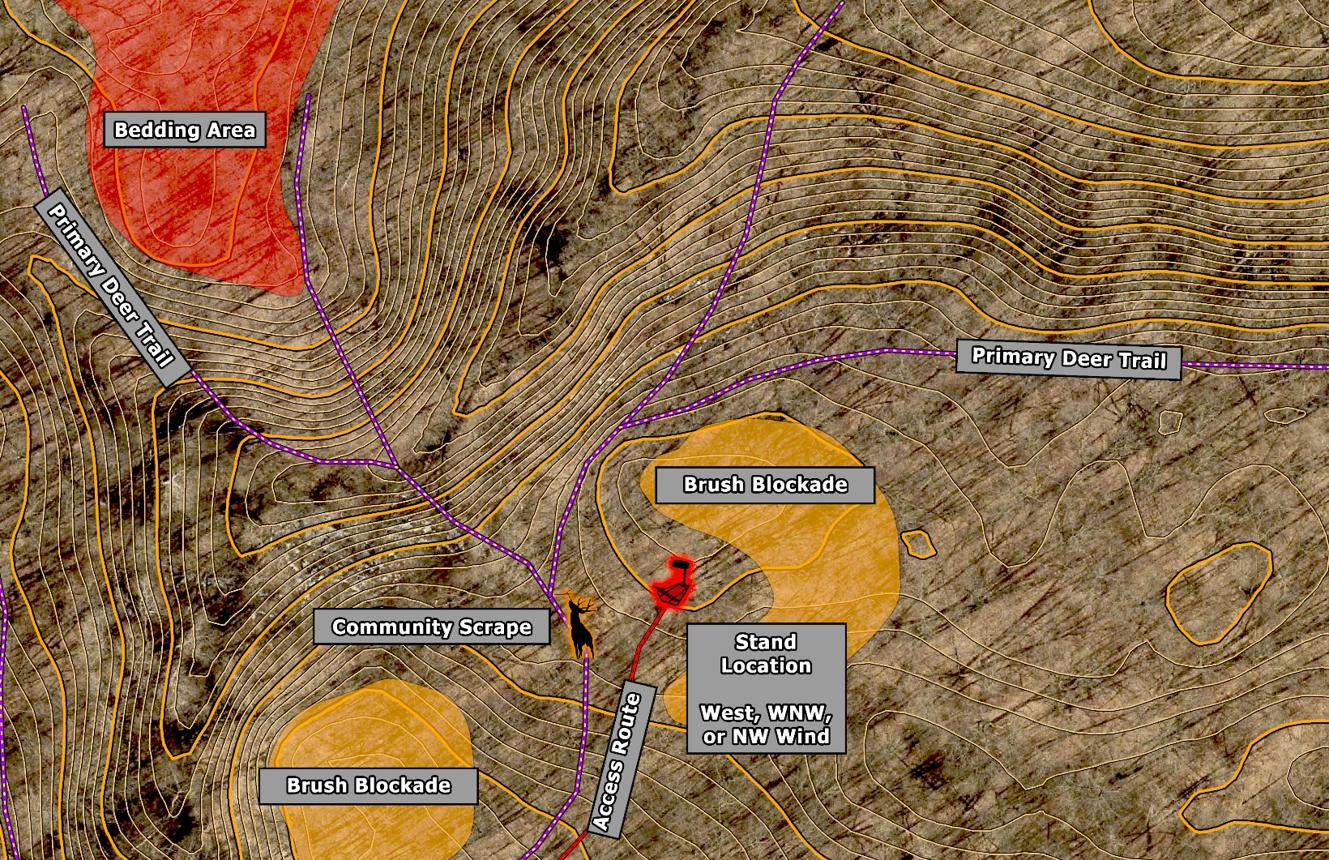
Deer don’t move randomly. They follow patterns shaped by terrain, cover, food, and pressure. These patterns create predictable paths known as travel corridors, and understanding them can completely change how you hunt.
According to movement and habitat insights from the Quality Deer Management Association (now part of the National Deer Association), whitetail deer consistently use terrain features and cover to move between bedding and feeding areas while minimizing exposure.
Travel Corridors Connect Bedding and Feeding Areas
At the most basic level, travel corridors are the routes deer use to move from where they sleep to where they eat.
These routes often follow:
- Thick cover or brush lines
- Creek bottoms or drainages
- Edges between timber and open land
- Fence lines or natural barriers
Deer prefer to travel where they feel secure. According to habitat studies referenced by the National Deer Association, whitetails will often choose slightly longer routes if it means staying hidden.
That means the “shortest path” isn’t always the one they take—the safest path is.
Funnels and Pinch Points Create High-Percentage Opportunities
One of the most valuable types of travel corridors is a funnel or pinch point. These are areas where terrain naturally forces deer movement into a tighter space.
Examples include:
- Narrow strips of timber between open fields
- Saddles between ridges
- Crossings between water sources
- Gaps in fencing or thick brush
According to field observations and strategy breakdowns commonly discussed by the National Deer Association, these areas concentrate deer movement, making them ideal stand locations.
Instead of hoping deer pass by randomly, you’re positioning yourself where they’re most likely to travel.
Wind Direction and Pressure Shape How Deer Use Corridors
Not all travel corridors are used equally at all times. Wind direction and hunting pressure play a major role in how deer move.
Deer often choose routes that allow them to use their nose effectively. That means traveling with the wind in their favor or along edges where they can scent-check open areas.
According to behavior insights shared through National Deer Association education programs, increased hunting pressure can push deer into thicker, less obvious corridors that offer more security.
This is why a corridor that produces early in the season might go cold later—and why finding backup routes is critical.
Sign Tells You Everything You Need to Know
If you’re not sure where deer are traveling, the woods will tell you.
Look for:
- Well-worn trails
- Tracks and hoof prints
- Rub lines and scrapes
- Droppings
These signs reveal not just where deer are—but how often they’re using a particular route.
The more consistent the sign, the more reliable the corridor.
Stand Placement Is Everything
Knowing where a travel corridor is only matters if you set up correctly.
Position your stand:
- Downwind of the trail
- With good cover to stay concealed
- Within effective shooting range
- Along entry and exit routes that don’t disturb the area
Poor access can ruin even the best corridor. If you’re bumping deer on your way in, you’re educating them—and they’ll adjust quickly.
Why Travel Corridors Consistently Produce Results
The biggest advantage of hunting travel corridors is predictability.
Food sources change. Bedding areas shift. But movement between them still has to happen—and that movement often follows the same general routes.
According to long-term habitat and movement data from the National Deer Association, consistent travel routes are one of the most reliable ways to pattern deer movement across a season.
The Bottom Line
If you want to see more deer—and more mature deer—stop hunting random spots and start hunting movement.
Travel corridors turn guesswork into strategy. They allow you to intercept deer instead of waiting on them.
At the end of the day, success in the woods often comes down to being in the right place at the right time. Travel corridors help make that happen.