
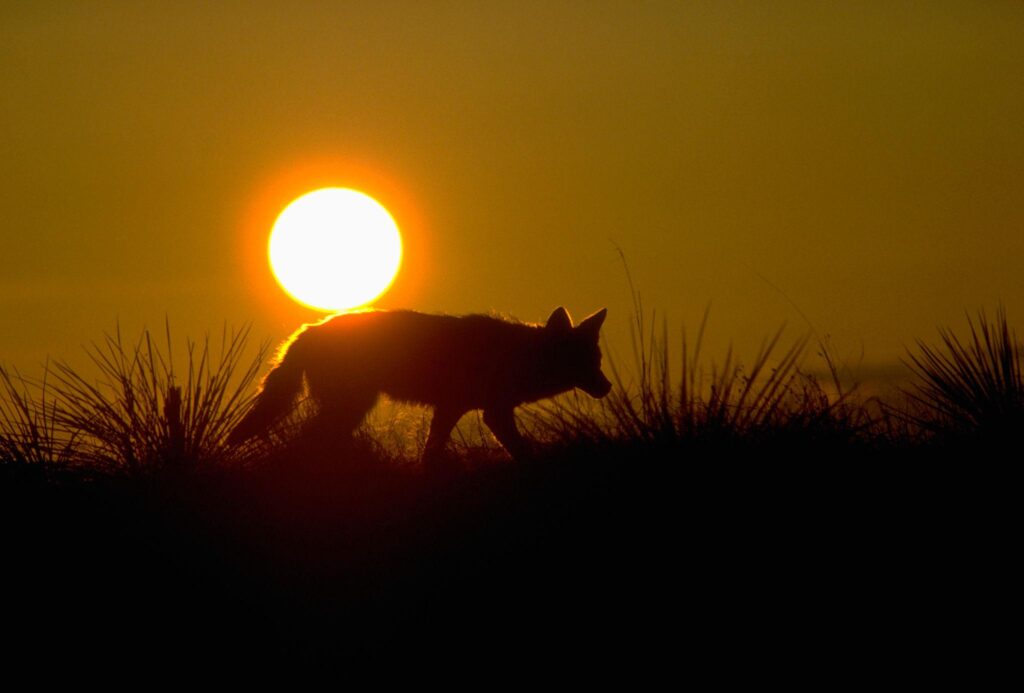
There’s nothing quite like a predator calling contest. It combines hunting, strategy, competition, and pure adrenaline into one fast-paced experience. One moment you’re sitting in total silence, scanning an empty pasture. The next, a coyote appears out of nowhere, locked in on your call and closing the distance fast.
That unpredictability is exactly why predator contests have exploded in popularity. And despite what many people think, you don’t need years of experience to participate. In fact, most contests are open to anyone willing to register and give it a try.
It’s Hunting With a Competitive Twist
At its core, predator calling is about skill — choosing the right location, using the right sounds, and staying hidden. But contests add another layer entirely.
Most events run for a set period, often 24 or 48 hours. Teams spread out across the landscape trying to call in and harvest as many predators as possible within that timeframe. Every decision matters. Where you hunt, when you move, and how you call can make the difference.
There’s also the excitement of knowing other teams are out there doing the same thing. It pushes you to think harder and stay focused.
When it all comes together, the experience is hard to beat.
Coyotes Make It a Real Challenge
Coyotes are one of the smartest and most adaptable animals on the landscape. They rely heavily on their senses and instincts, which makes calling them in both challenging and rewarding.
Sometimes they charge in quickly, convinced there’s an easy meal waiting. Other times they circle wide, testing the wind and looking for danger. And sometimes they never show at all.
That uncertainty is what makes every stand exciting. You’re not just waiting — you’re trying to outsmart an animal that survives by avoiding mistakes.
The Team Aspect Makes It Even Better
Most contests allow teams of two or more hunters. That turns the event into a shared experience instead of a solo effort.
One person might operate the call while the other watches for movement. One person might catch something the other misses. Teams work together, communicate constantly, and learn from each stand.
Between setups, there’s time spent driving, planning, and talking about what’s working and what isn’t.
For many people, the teamwork and time spent outdoors together are just as valuable as the competition itself.
Anyone Can Sign Up and Participate
One of the best things about predator calling contests is how accessible they are. You don’t need to be a professional hunter or have years of experience.
Signing up is usually simple. Most contests are organized by hunting groups, local conservation organizations, or outdoor clubs. Registration is often available online, at local sporting goods stores, or in person before the event begins.
Typical sign-up steps include:
-
Registering your team (usually 1–4 people)
-
Paying an entry fee
-
Attending a pre-contest meeting or check-in
-
Receiving contest rules and boundaries
Some contests even allow same-day registration, while others require advance sign-up.
Many events also include beginner divisions, youth categories, or random prize drawings, so even new participants have a chance to win something.
You Don’t Need Fancy Equipment
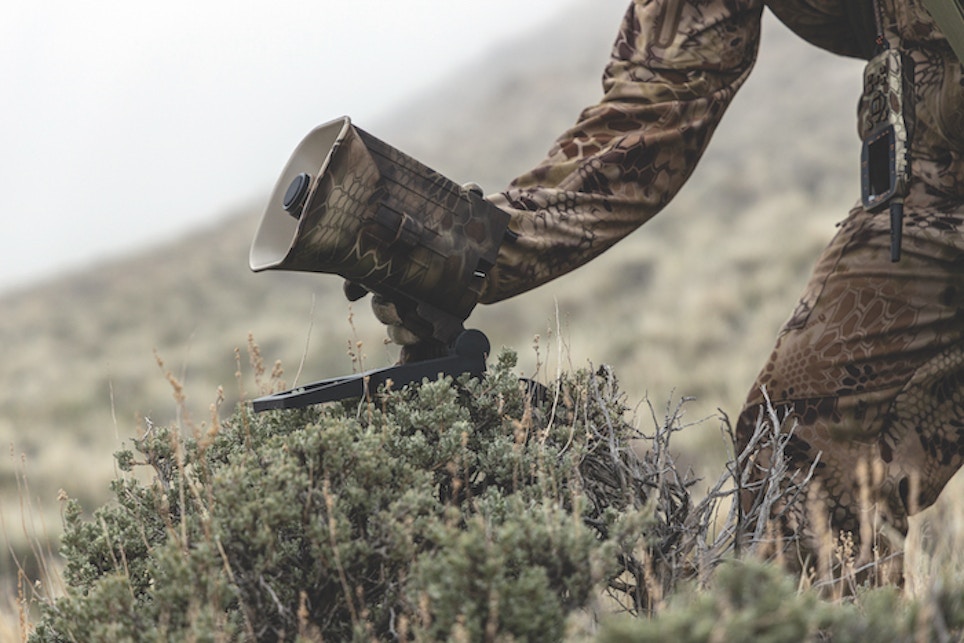
Getting started doesn’t require expensive gear. Many successful hunters use simple setups.
Basic equipment includes:
-
A reliable rifle suitable for predator hunting
-
A predator call (hand call or electronic)
-
Camouflage or neutral clothing
-
Basic outdoor gear for safety and comfort
That’s enough to get started. Experience will come with time.
You Learn More in One Contest Than Months of Hunting Alone
Predator contests accelerate learning. You quickly figure out what works and what doesn’t.
You learn how wind direction affects setups. You learn where predators travel. You learn how to approach quietly and stay hidden.
Even experienced hunters continue learning every time they participate.
Each stand is a lesson.
It’s About the Experience, Not Just Winning
Yes, there are prizes. Some contests offer cash, gear, or other rewards. But most participants aren’t there just for that.
They’re there for the excitement.
They’re there for the challenge.
They’re there for the stories that come from long nights, early mornings, and unexpected encounters.
Every contest produces moments that stick with you.
Predator Hunting Serves an Important Role
Predator management helps maintain balance in wildlife populations. Coyotes and other predators can impact deer, livestock, and smaller game species.
Predator hunting contributes to managing those populations responsibly.
Contests simply bring hunters together in a structured event while supporting that effort.
How to Find and Join Your First Contest
Finding a contest is easier than most people realize. Many are advertised through:
-
Local hunting groups
-
Sporting goods stores
-
Social media hunting pages
-
Conservation organizations
-
Online hunting forums
A quick search for predator contests in your state will usually turn up several options.
Once you sign up, show up, and participate, you’ll understand why so many people get hooked.
The Bottom Line
Predator calling contests offer excitement, challenge, and camaraderie that’s hard to match. They’re competitive without being exclusive, and they welcome both experienced hunters and newcomers.
You don’t need to be an expert. You just need to sign up and try.
Once you do, you may find yourself counting down the days until the next one.