
3 Rifles That Built American Hunting

American hunting wasn’t built overnight—and it wasn’t built by marketing trends or the latest calibers. It was shaped over decades by rifles that proved themselves in the field, season after season. These rifles weren’t just popular—they were dependable, accessible, and effective.
While there are countless firearms that deserve recognition, three stand out as foundational to modern American hunting: the Winchester Model 94, the Remington Model 700, and the Springfield 1903.
Winchester Model 94: The Rifle That Defined the American Woods
Few rifles are as closely tied to American hunting as the Winchester Model 94.
Introduced in 1894, this lever-action rifle became synonymous with whitetail hunting, especially in dense woods where quick shots and fast handling matter most. Chambered in cartridges like .30-30 Winchester, it struck a balance between power and recoil that made it accessible to generations of hunters.
What made the Model 94 so influential was its practicality. It was lightweight, easy to carry, and quick to cycle for follow-up shots. In thick timber where visibility is limited, those traits made a real difference.
According to historical firearm production data referenced by Winchester Repeating Arms, millions of Model 94 rifles were produced, making it one of the most widely used hunting rifles in American history.
Even today, it remains a symbol of traditional deer hunting.
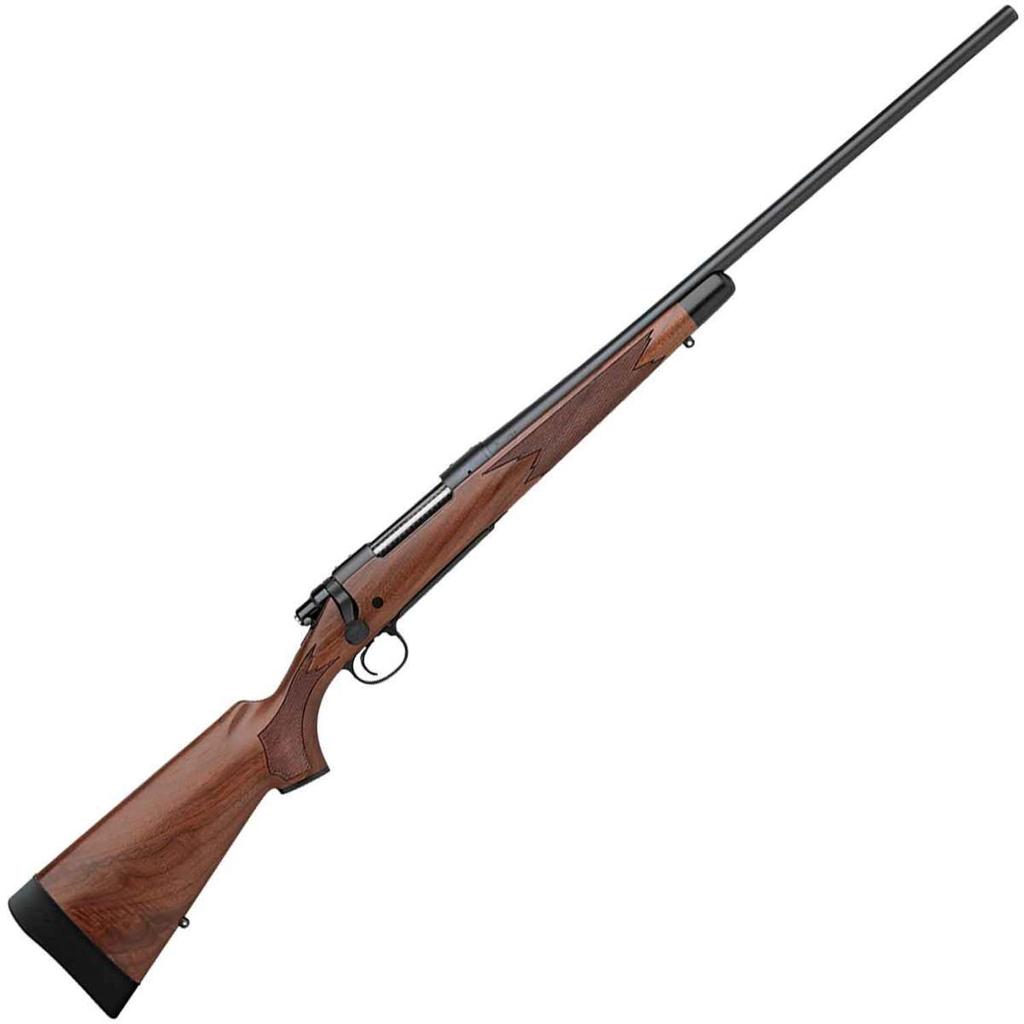
Remington Model 700: Precision and Reliability for the Modern Hunter
If the Winchester 94 represents tradition, the Remington Model 700 represents the evolution of accuracy and modern hunting performance.
Introduced in 1962, the Model 700 quickly became one of the most popular bolt-action rifles ever produced. Known for its strong action and consistent accuracy, it gave hunters the ability to make precise shots at longer distances.
Its design also made it highly adaptable. Hunters could choose from a wide range of calibers, optics, and configurations to match their specific needs.
According to manufacturing records and industry analysis from Remington Arms, the Model 700 has sold in the millions and remains a benchmark for bolt-action performance.
For many hunters, this rifle marked the shift toward precision shooting and longer-range capability.
Springfield 1903: From Battlefield to Backcountry
The Springfield 1903 wasn’t originally designed as a hunting rifle—but it became one of the most influential firearms in American hunting history.
Developed for military use in the early 1900s, the Springfield 1903 was widely distributed and later sold as surplus after military service. Hunters quickly adopted it for its rugged reliability and powerful .30-06 chambering.
According to historical records from the National Park Service, surplus military rifles like the Springfield 1903 played a major role in expanding hunting access across the country, particularly during the early-to-mid 20th century.
For many Americans, this rifle was their first affordable and capable big-game firearm.
Why These Rifles Still Matter Today
These rifles didn’t just fill tags—they shaped how Americans hunt.
- The Winchester Model 94 emphasized mobility and quick shooting in dense cover
- The Remington Model 700 pushed accuracy and long-range capability
- The Springfield 1903 made powerful rifles accessible to everyday hunters
Together, they represent the foundation of modern hunting techniques and equipment.
The Bottom Line
Trends come and go, but proven performance stands the test of time.
The rifles that built American hunting weren’t defined by hype—they were defined by results. They worked when it mattered, and generations of hunters trusted them because of it.
Even in today’s world of advanced optics and precision rifles, the legacy of these three firearms is still felt every time a hunter steps into the field.
At the end of the day, it’s not just about the rifle—it’s about what it represents: reliability, tradition, and the pursuit of something earned.